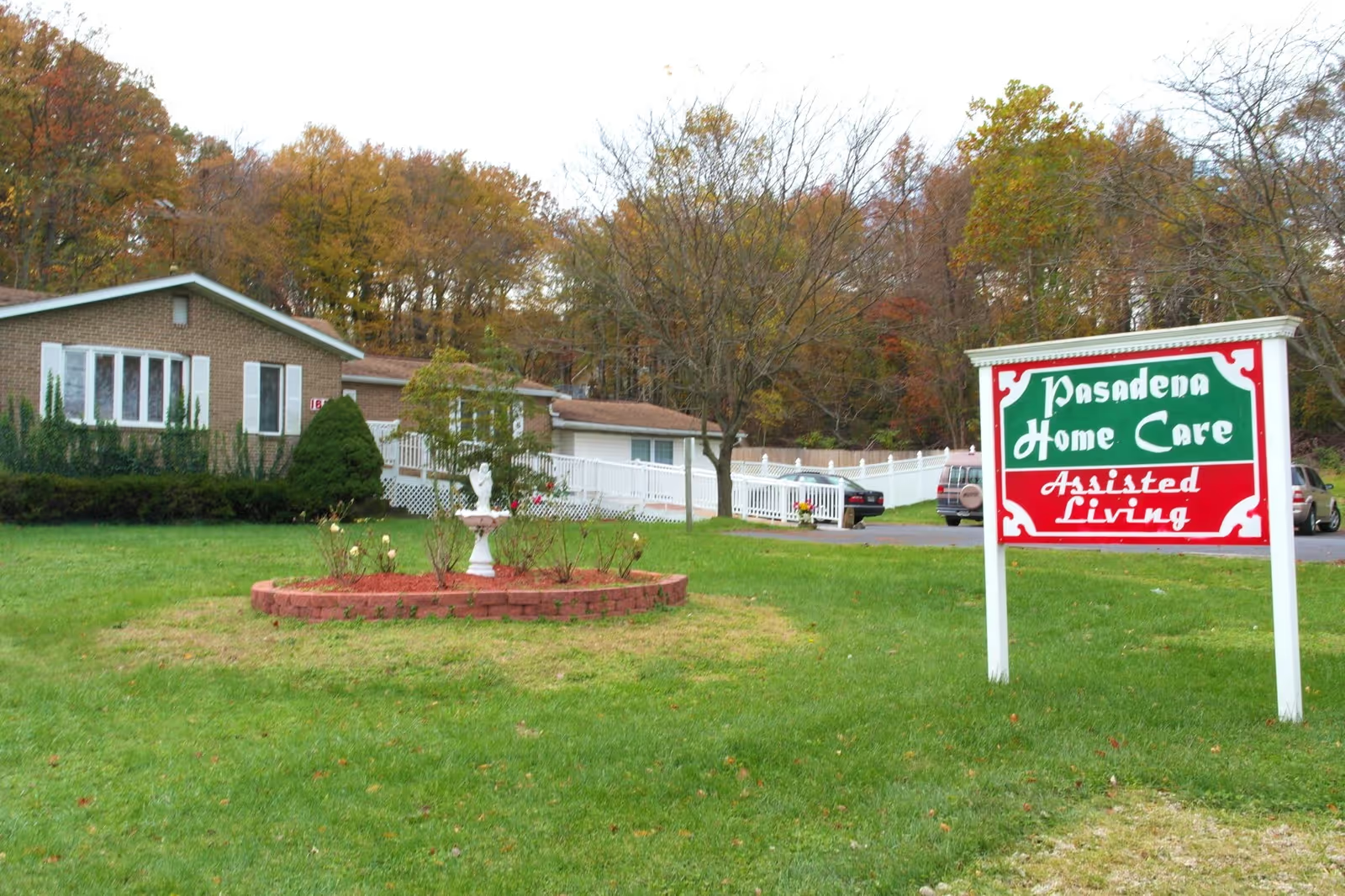
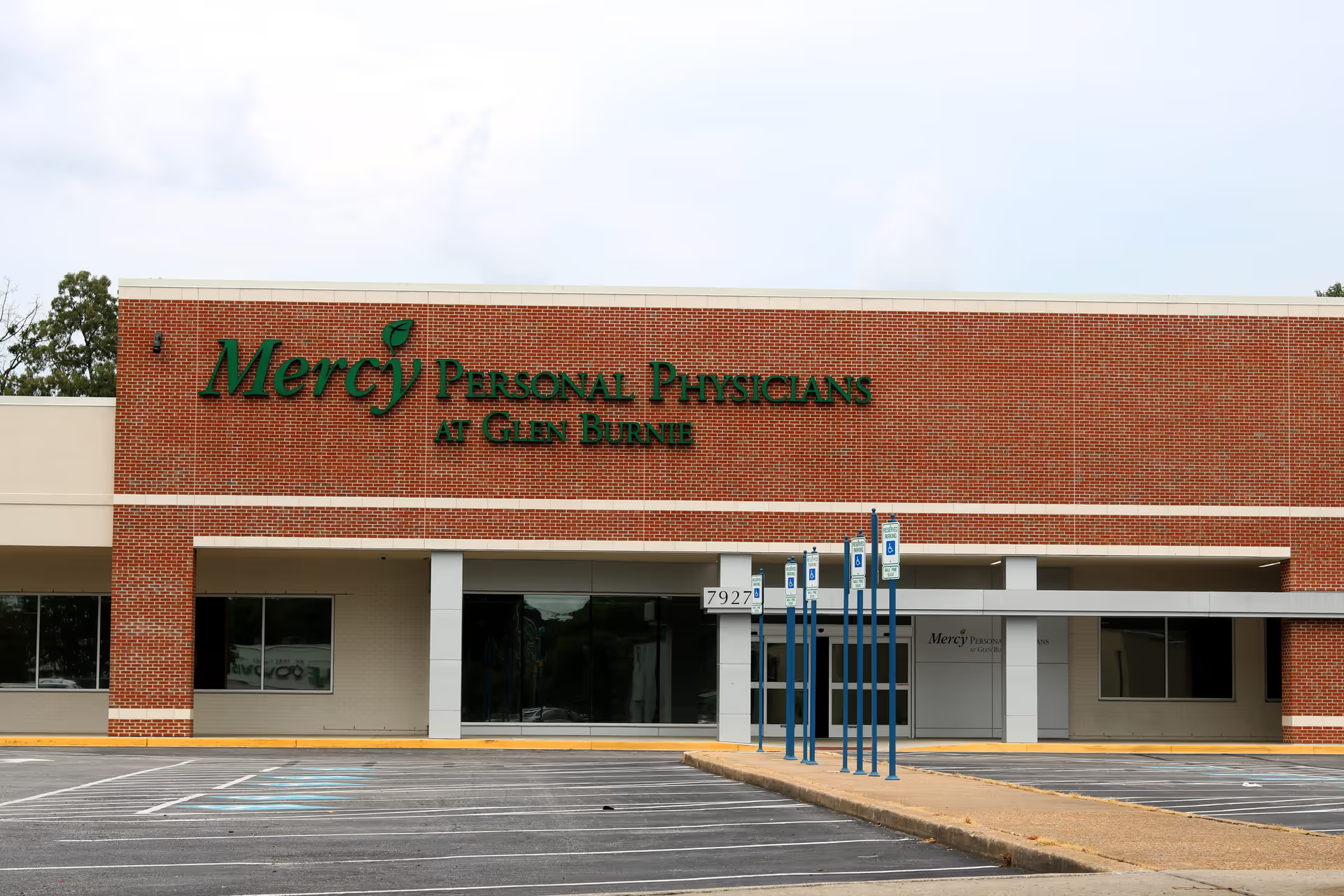
Overall impression: The reviews portray an agency with consistently positive caregiver quality and a generally supportive organizational culture. Review summaries emphasize caring, attentive, and respectful direct-care staff who promote client independence and provide compassionate day-to-day support. The facility environment is described as clean, comfortable, and safe, and reviewers frequently noted an engaged house director and management team. Several summaries also highlight organizational strengths such as strong staff development, positive treatment of direct support professionals (DSPs), and the agency’s ability to coordinate health services efficiently.
Caregiver quality and communication: Consistent language across summaries points to professional, courteous caregivers who create a warm, family-oriented atmosphere. Communication with families and invitations to events and outings were described positively in many summaries, and administrative interactions were characterized as cooperative and helpful. There are no consistent comments about missed shifts or unreliable caregiver assignments in the provided summaries; when operational performance is mentioned it tends to be favorable (for example, well-run vaccination clinics and smoothly coordinated services).
Programming, reliability, and scheduling: The agency’s activity programming and community outings were often named as strengths; however, a pattern of reduced or discontinued events (for example, a cancelled carnival and fewer activities) was noted and may affect social engagement for some clients. Review content does not supply detailed information about scheduling flexibility or billing practices, and there are few explicit comments about shift coverage or punctuality beyond generally positive references to staff reliability.
Management, value, and notable concerns: Many reviewers described the organization and services as “top notch,” and several praised the agency as a good place to work for DSPs, which can be an indirect indicator of staff stability. At the same time, a small number of summaries raised serious concerns that are operational rather than clinical in nature: allegations related to housing-admission decisions (including neurodiversity accommodations), conflicts over pet policies, and contested employee-termination situations. These items point to possible weaknesses in admissions policy clarity, pet-accommodation consistency, and human-resources or grievance-handling processes. Given the nature of those concerns, prospective families and applicants may wish to ask directly about admissions criteria, accommodations for neurodiversity, pet policies, formal complaint and appeal procedures, and how the agency documents and resolves personnel issues.
Practical considerations: For families evaluating this agency, the salient strengths are the quality and demeanor of direct-care staff, a clean and safe environment, and an organizational emphasis on staff support and community activities. Areas to probe further during tours or intake conversations include current activity calendars and how programming changes are communicated, specific admissions and pet policies, grievance and incident-resolution procedures, and any measures the agency uses to ensure consistent programming and equitable housing decisions. Overall, the balance of summaries suggests strong day-to-day caregiving and organizational competence, with a few operational-policy areas that merit direct clarification before engagement.