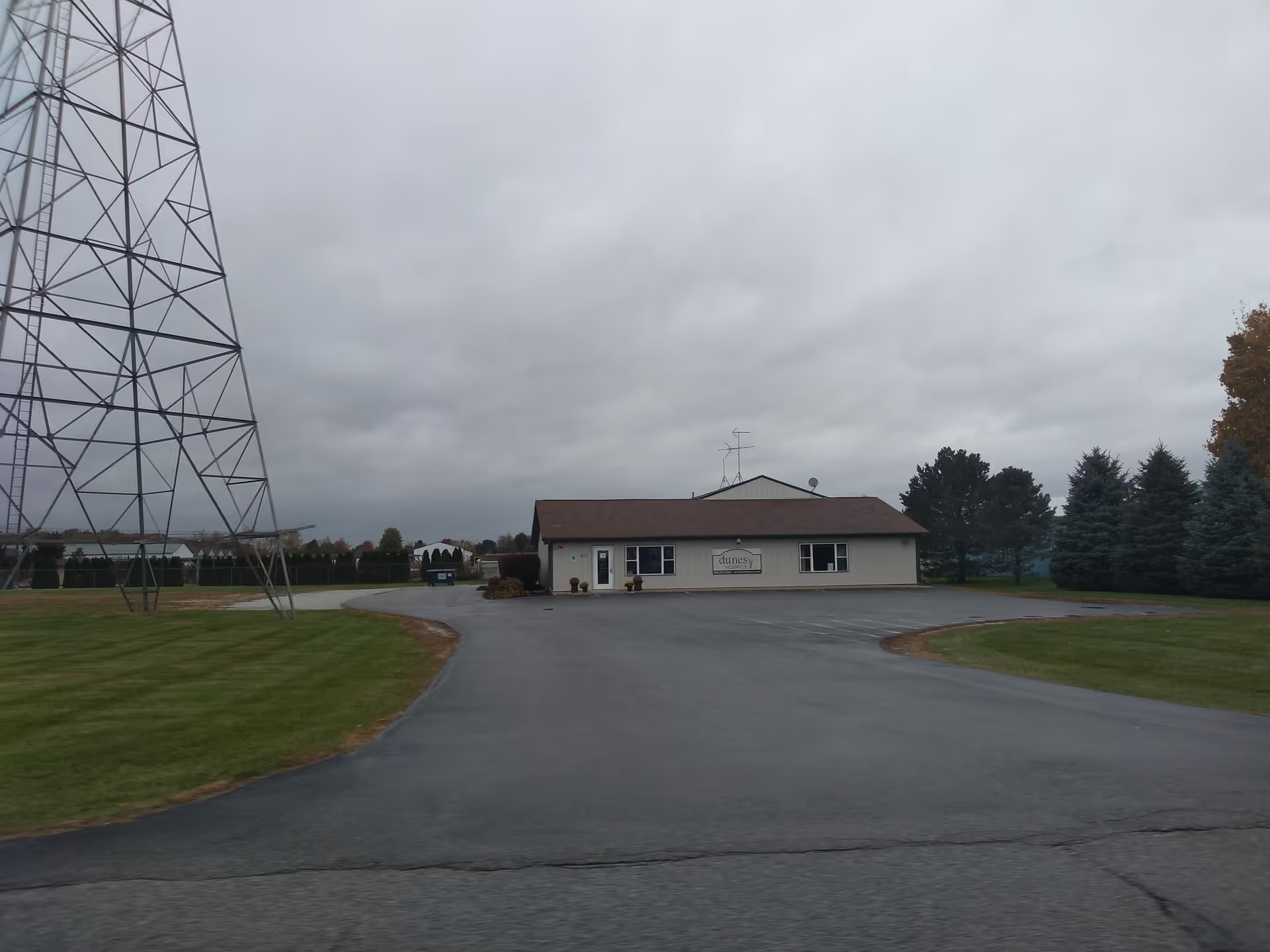
Feedback for Memorial Home Care is mixed. On the positive side, families describe a welcoming, friendly demeanor from caregivers and an overall positive experience in some engagements. These remarks indicate that, in at least some cases, frontline staff establish a pleasant interpersonal environment that families value.
Contrastingly, there is also direct criticism about the agency’s delivery of core responsibilities. One summary described a lack of empathy and unmet duties, which suggests concerns about caregiver engagement and consistent execution of assigned tasks. When an assignment is not completed as expected, it tends to reflect not only on individual aides but also on training, oversight, and care-plan monitoring processes at the agency level.
Office communication and management oversight are not characterized in detail in the available summaries, but the combination of friendly interpersonal interactions and duty-performance gaps points to uneven quality control. That pattern can indicate weaknesses in supervision, in-service training, or in the systems used to match and monitor caregivers against care plans. Reliability of shifts and scheduling flexibility were not explicitly discussed; however, the cited duty failures could be consistent with broader reliability issues if they stem from staffing or scheduling practices.
There is limited information regarding billing, value, and formal administrative matters in these summaries. Prospective clients should therefore request clear information on billing practices, care-plan accountability, and escalation paths when assessing the agency. Overall, families should weigh the positive interpersonal qualities described against the potential for inconsistent care execution and seek references, written care plans, and clarification of oversight mechanisms before engaging services.