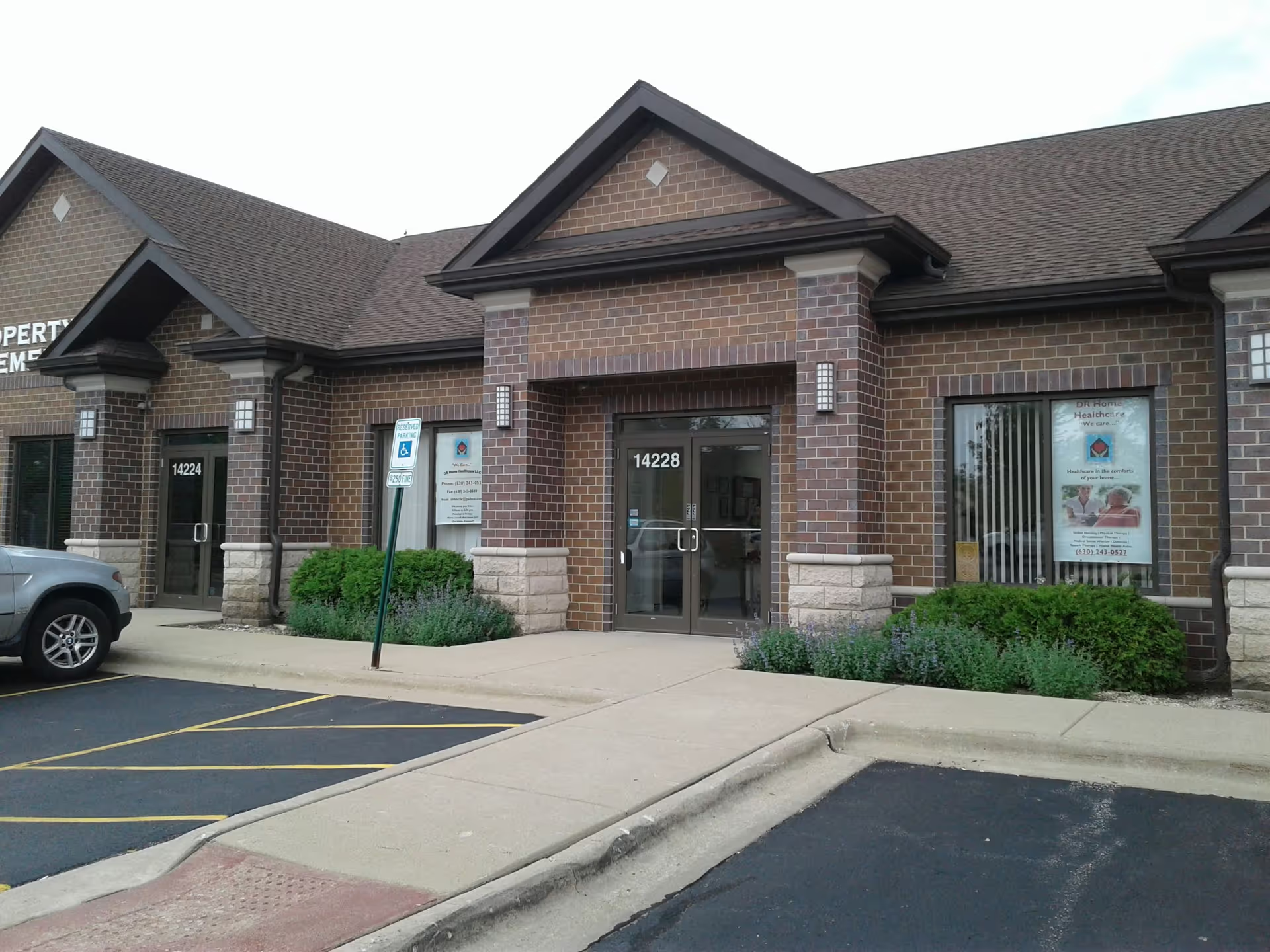
Overall impression: Feedback is mixed, with clear strengths in hands-on clinical care and a home-like service model alongside recurring operational weaknesses. Positive descriptions emphasize competent wound management, regular coordination of physical therapy, facilitation of spiritual visits, home-cooked meals, and caregivers who can provide attentive, resident-focused support. These elements suggest the agency can deliver clinically competent and personalized in-home care in some settings.
Caregiver quality and conduct: There is a contrast in caregiver-related accounts. Several families described caregivers who demonstrate clinical competence—particularly in wound care—and attentive day-to-day support. At the same time, there are repeated concerns about inconsistent professionalism, conduct issues, and communication barriers between caregivers and clients or family members. The combination of language-related communication gaps and variable caregiver behavior undermines continuity and can increase family stress.
Reliability, scheduling, and night coverage: A notable pattern concerns reliability of shift coverage. Missed shifts and caregiver no-shows were cited alongside limitations in overnight or night-shift availability. These operational gaps affect continuity of care and can force families to seek last-minute alternatives. Scheduling flexibility appears constrained in some cases, and families should verify overnight and short-notice coverage options in advance.
Office management, billing, and value: Office responsiveness and administrative transparency are recurring issues. Families described difficulty reaching management, unclear explanations about certification and credentials, and disagreements over deposits, payments, or billing terms. Perceptions of high cost combined with administrative friction contribute to concerns about overall value. Prospective clients should seek written clarification on deposits, refund policies, billing practices, and credential documentation before contracting services.
Housekeeping and infection control: Several accounts raised concerns about household-level hygiene, pest control, and infection-control processes. These operational areas can affect client safety and comfort and should be explicitly addressed in care plans and agency policies.
Notable patterns and recommendations: The set of feedback indicates a polarized experience—strong clinical caregiving and a family-style environment for some clients, while others encounter operational shortcomings that materially affect care. Families considering this agency would benefit from direct verification: review caregiver qualifications, confirm scheduling and night-coverage policies, request written billing and deposit terms, ask about infection-control and housekeeping protocols, and arrange an initial trial period or references. Doing so can help determine whether the agency’s strengths align with a client’s specific needs and reduce the likelihood of service gaps.