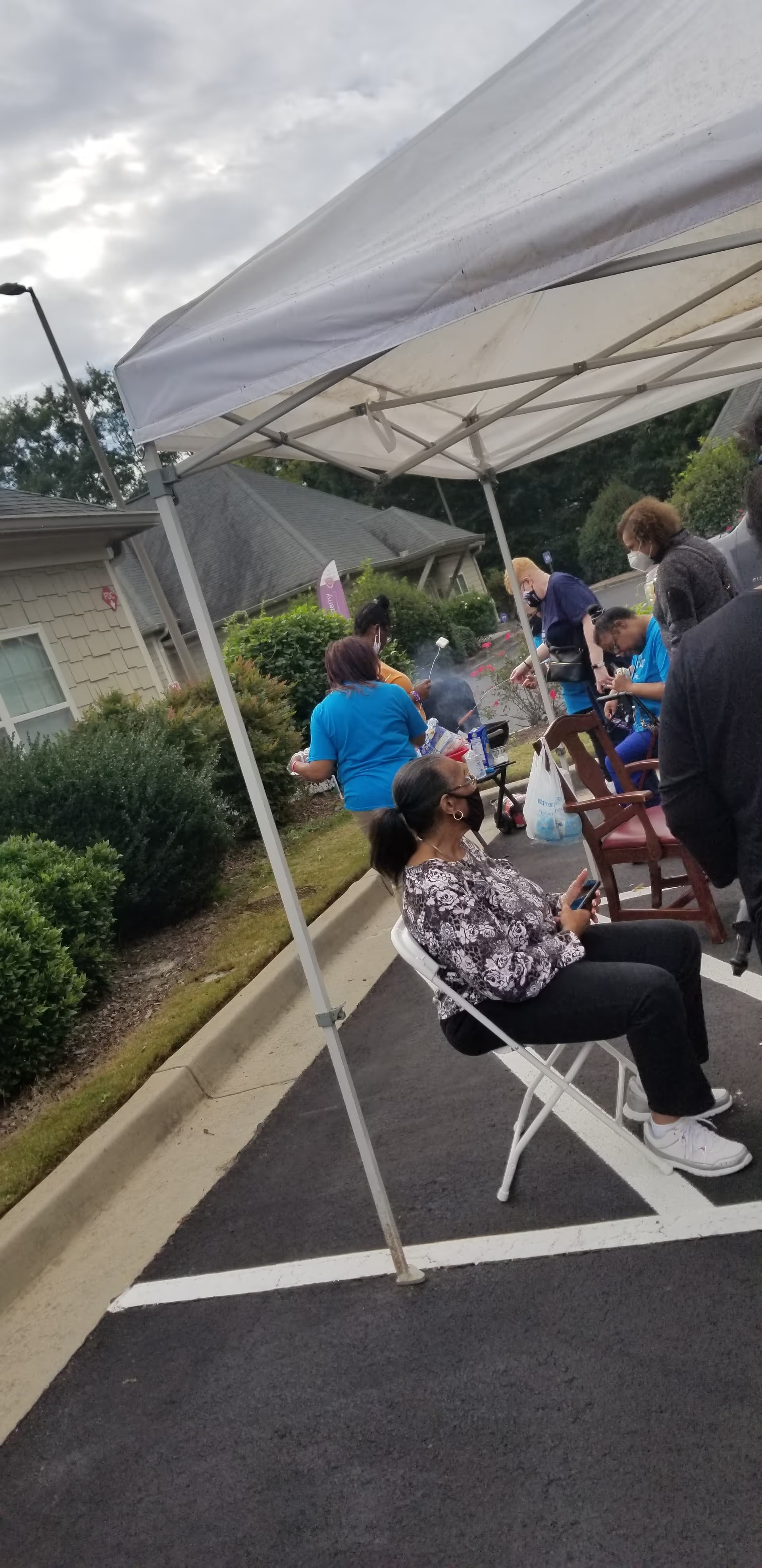
Reviews reflect a mixed but distinct pattern: many families praised the caregiving staff for compassion, warmth and clinical familiarity with dementia care. Caregivers are frequently described as friendly and professional, and the home environment is noted for nutritious meals, social programming, and a homelike atmosphere that supports engagement and day-to-day comfort.
Office-level communication receives both positive and negative comments. Several families described clear, timely updates and responsive communication from the office, which supported coordinated care and family involvement. Conversely, other accounts identify communication gaps, particularly around critical events, indicating uneven performance in family outreach and follow-up.
Reliability and consistency are recurring themes. Positive comments about regular family updates and responsive staff suggest the agency can provide dependable day-to-day support. However, there are also concerns about inconsistent care quality and variability in caregiver assignments and shift reliability. Those operational inconsistencies affect the perceived continuity of care and can undermine trust even where individual caregivers are well regarded.
Administrative and management issues emerge as notable weaknesses. Multiple accounts point to insufficient post-departure and bereavement procedures and inconsistent handling of client belongings, which indicate policy and follow-through gaps after a client’s transition or death. These procedural weaknesses sit apart from direct caregiving quality but materially affect families’ overall experience.
Value and scheduling impressions are mixed. Positive experiences imply reasonable scheduling responsiveness and good value for families who received consistent, engaged care. At the same time, variability in care standards and administrative follow-through creates uneven perceived value across families.
For prospective clients: confirm specific operational policies before enrollment—ask about caregiver continuity, shift coverage expectations, written protocols for post-discharge and bereavement outreach, and how client property is documented and returned. The agency shows clear strengths in compassionate, dementia-capable caregiving and social programming, but families should seek written assurances on communication and administrative procedures to reduce the risk of the operational issues described.