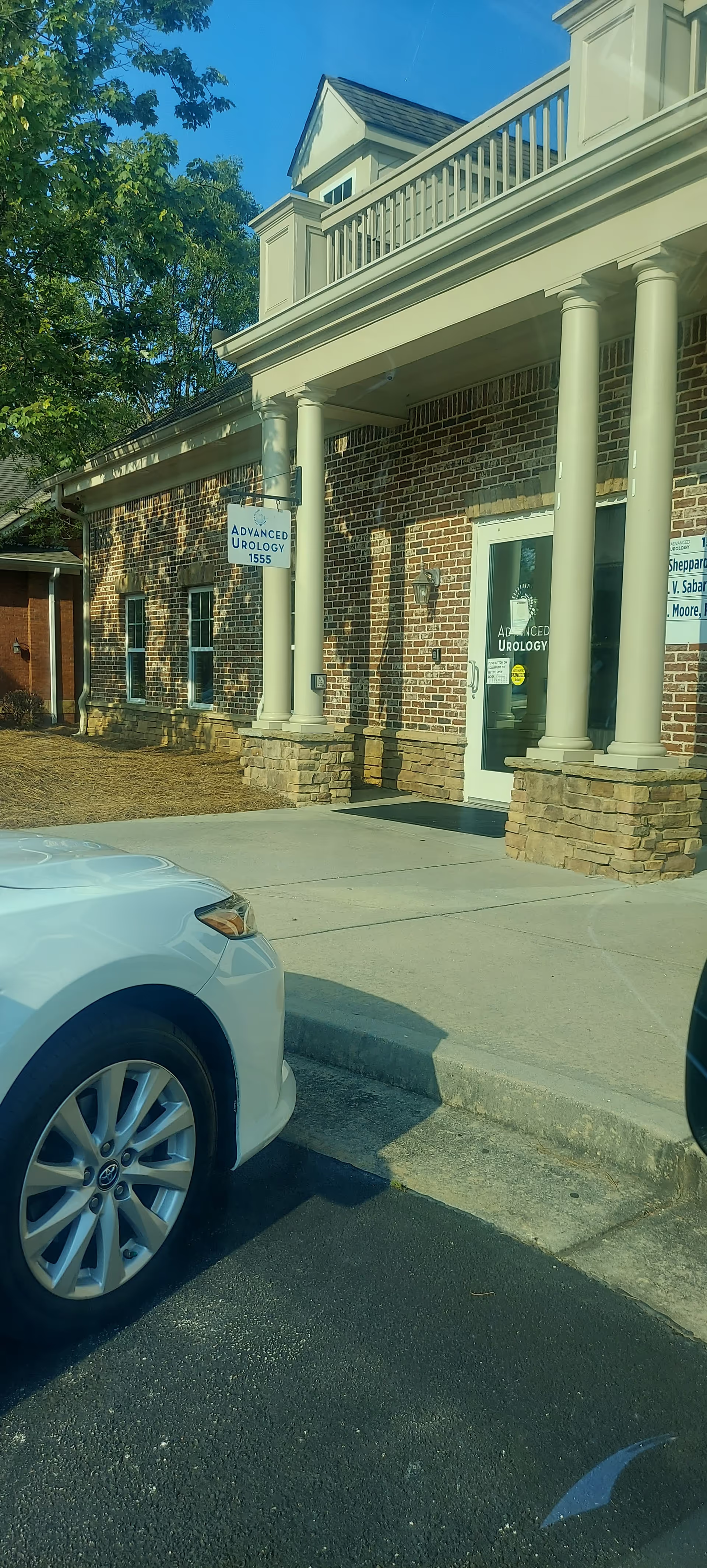
Overall impression: The agency is characterized by strong clinical capability and a patient-centered culture, anchored by an experienced physician with a urology focus and a team of nurses and caregivers who are frequently described as warm, professional, and attentive. Many reviewers emphasize clear explanations, thorough diagnostics, and care plans that include understandable next steps and follow-up, which families often find reassuring. Procedural outcomes cited (including successful urologic interventions) add to the sense of clinical competence.
Caregiver quality and patient interaction: Caregivers and nursing staff are consistently praised for compassion, respect, and the ability to put patients at ease. Reviewers highlight individualized attention, good bedside manner, and staff who take time to answer questions. The physician is repeatedly noted for clinical knowledge, direct communication, and for providing clear explanations and visual aids when appropriate. These strengths contribute to perceived high-quality, patient-centered care.
Office communication and reliability: Communication performance is mixed. Many families report prompt call-backs, helpful instructions, and effective coordination with other specialists; however, there are recurrent mentions of delays in communicating test results, long phone hold times, and occasional missed clinical follow-ups. Front-desk interactions are frequently described as welcoming (with specific staff named positively), but other accounts describe inconsistent customer-service experiences. These patterns suggest that front-office processes and phone-based coordination are uneven.
Scheduling, flexibility, and continuity: The team is often described as accommodating and flexible when arranging visits, and reviewers appreciate staff willingness to adjust timing. At the same time, there are examples of appointment-management fragility — hesitancy to reschedule, occasional appointment issues, and variability in clinician demeanor across visits. Continuity of care appears strong when established with the physician and core nursing team, but may waver during administrative handoffs or staffing transitions.
Billing, insurance, and value: Billing and insurance coordination emerge as the clearest operational weaknesses. Multiple reviewers cite lack of transparency around charges, problems reconciling copays versus deductibles, and miscommunication with secondary insurers. Some families express concern about out-of-pocket costs or perceived high price relative to coverage. These issues point to a need for clearer pre-visit financial communication and tighter coordination with payers.
Management and notable patterns: The agency demonstrates clinical strength and a patient-first ethos, with consistent praise for clinical outcomes and the quality of direct care. Operationally, predictable areas for improvement include front-desk consistency, telephone responsiveness, tracking and communicating test results, and billing/insurance processes. Addressing these administrative and communication gaps would better align the strong clinical performance with the overall patient experience. Overall, prospective clients can reasonably expect high-quality clinical care and compassionate staff, with a recommendation to confirm billing and insurance details in advance and to clarify preferred communication pathways for test results and appointments.