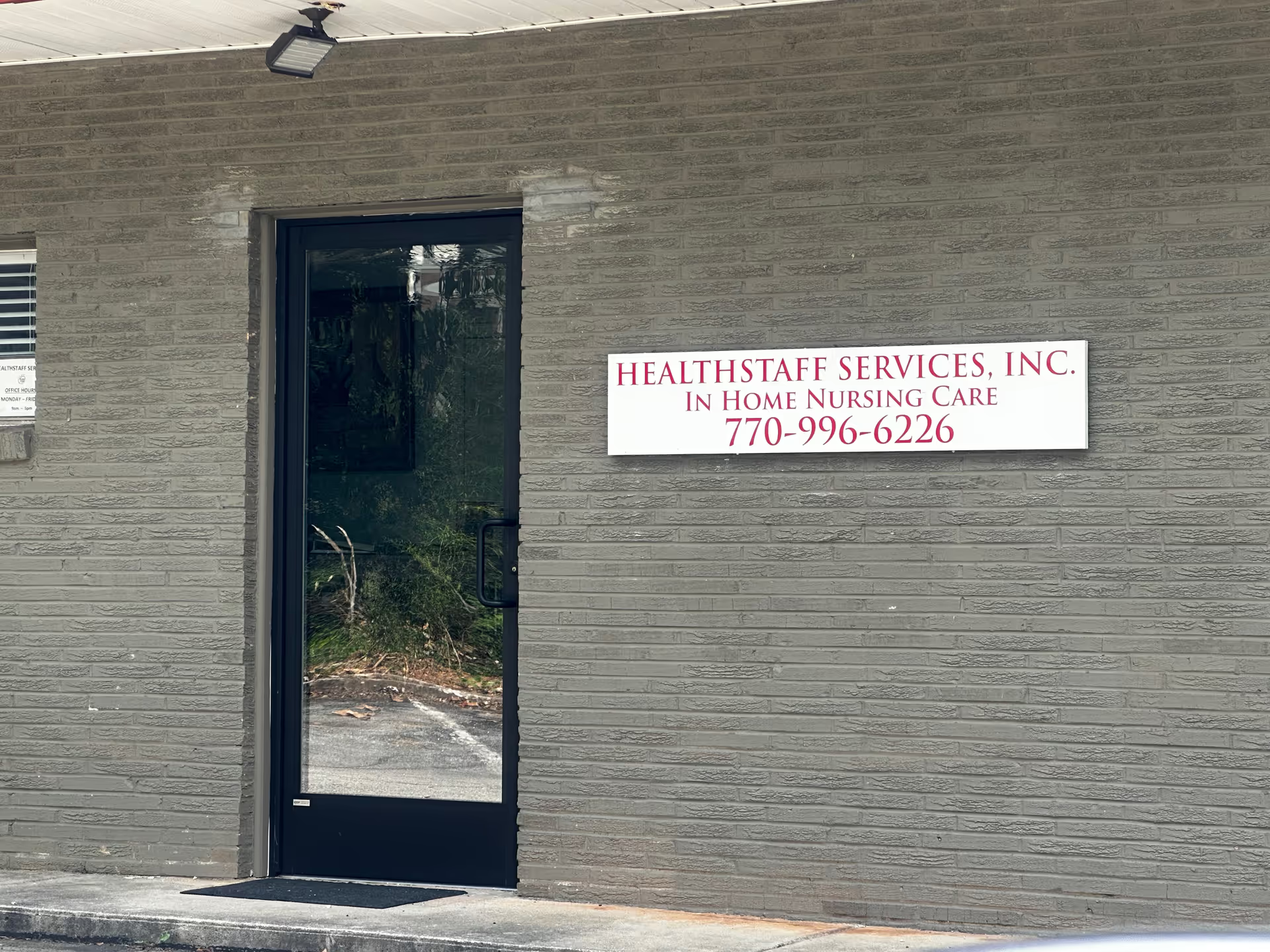
Overall impression: Reviews present a predominantly positive view of direct caregiving and clinical capability, tempered by operational and communication weaknesses. Many families praise the hands‑on caregivers and clinical staff for being compassionate, attentive, and effective at identifying and addressing health issues that were previously unresolved by other providers. At the same time, a subset of reviewers indicated that negative interactions with administrative personnel and coverage gaps diminished their overall likelihood to continue with or recommend the agency.
Caregiver quality: Caregivers and clinical staff are frequently described as caring, patient, and responsive. Reviewers cite clear explanations, supportive bedside manner, timely visits, and cases where the agency’s clinicians identified conditions that primary providers had not diagnosed. Several accounts highlight strong caregiver‑client rapport and successful coordination with other health professionals, indicating clinical competence and good client education practices.
Office communication and management: Front‑office interactions are often characterized as courteous and helpful, creating a positive first impression for many clients. However, several reviewers also described abrasive or unprofessional behavior from particular administrative staff members; an office manager’s apology was noted in one instance. These mixed accounts suggest uneven professionalism and occasional management follow‑through gaps that can affect family confidence.
Reliability and scheduling: The agency earns praise for responsiveness and convenient appointment availability, including timely visits and scheduling of nurse practitioner follow‑ups. Conversely, reviewers point to limited weekend and after‑hours coverage as a notable operational limitation. There are also comments implying variability in care consistency between visits, which may reflect scheduling or staffing fluctuations rather than caregiver skill alone.
Clinical decision‑making and safety perceptions: While many reviewers praised the agency’s clinical effectiveness, at least one account raised concerns about guidance given during an urgent situation. This indicates occasional inconsistency in clinical decision‑making or after‑hours protocols; families considering the agency should clarify emergency referral policies and escalation pathways in advance.
Value and overall patterns: Several reviewers view the agency as offering reasonable pricing and good value, especially when clinical issues were resolved that other providers had missed. The dominant pattern is of strong direct care and useful care coordination, coupled with operational weaknesses—primarily inconsistent administrative professionalism, gaps in weekend/after‑hours coverage, and occasional variability in communication and care consistency. Prospective clients should weigh the agency’s clinical strengths against these operational considerations and discuss coverage, communication expectations, and escalation procedures with agency management prior to engagement.