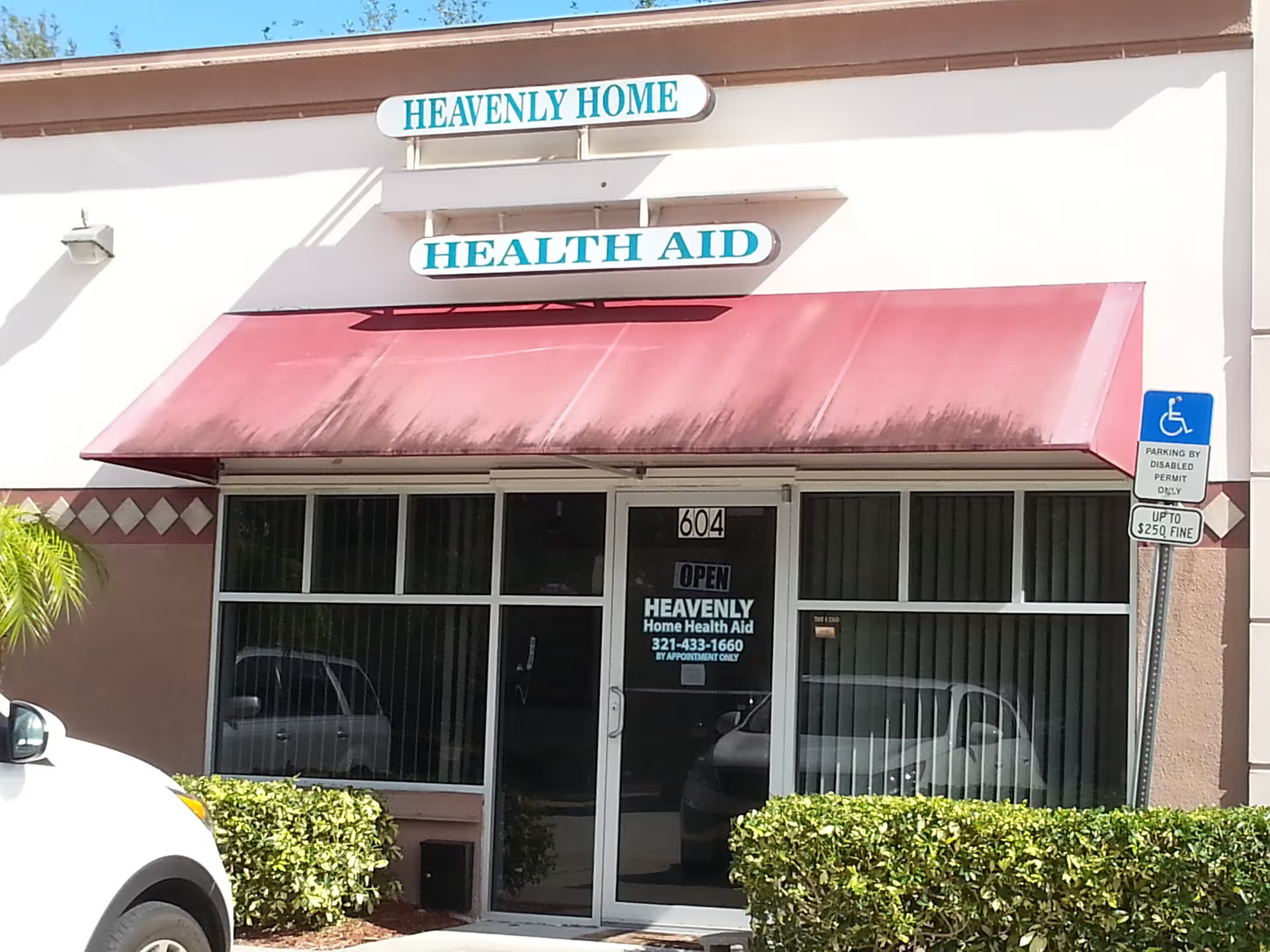
Overall impression: The agency's clinical and caregiving strengths are its most consistent theme. Families frequently describe warm, attentive caregivers and nurses who provide skilled, compassionate support during end-of-life care. Reviewers highlight staff who educate families, coordinate visits to maximize time together, facilitate prompt in-room care (for example rapid personal-care assistance), and offer an organized bereavement/grief-support program. Several specific clinicians were singled out positively, and reviewers characterise the inpatient/unit environment as clean, peaceful, and well maintained in many cases.
Caregiver quality: Caregivers and nurses receive strong praise for bedside manner, empathy, and clinical competence. Many accounts speak to thoughtful guidance during difficult decisions, attentive monitoring in the home, and personalized support that families found comforting. Caregiver education and family training were also noted as useful, indicating a focus on family inclusion and practical support.
Office communication and administrative management: A clear pattern emerges where clinical staff communication is viewed more positively than the agency's office-level communication. Several families reported difficulties engaging the office, delays in resolving paperwork, and extended timelines for post-death administrative tasks (for example death-certificate corrections and follow-up). These administrative-process inefficiencies affected families' experiences after care ended and created avoidable stress for some.
Reliability, scheduling, and responsiveness: Reviews present a mixed picture. Many reviewers describe prompt, flexible responses—swift bathing assistance, accommodation for urgent needs, and coordinated visits that enabled meaningful family time. However, others describe unreliable scheduling, frequent cancellations, and coverage gaps. The net pattern suggests that while the agency can be responsive and flexible, reliability of shift coverage and scheduling consistency may vary by case or region.
Clinical-safety and value considerations: Most reviewers praised clinical care, but a few raised concerns about medication oversight (one mention of anticoagulation monitoring issues). Those concerns point to potential lapses in medication-management protocols that prospective clients and families may want to clarify during intake. Explicit commentary on billing and overall value was limited; where value was discussed it tended to align with the perceived quality of caregiver support, tempered by frustrations with administrative follow-through.
Management and intake practices: A recurring operational theme concerns admissions and marketing interactions. Some families described high-pressure or misleading intake/sales tactics, which contrasts with the compassionate bedside care described by clinicians. Taken together with the administrative delays and occasional facility maintenance items, these patterns indicate an agency that generally provides strong clinical care but would benefit from strengthening office responsiveness, standardizing scheduling reliability, clarifying intake practices, and tightening certain administrative and medication-management processes.
Practical takeaways for prospective clients: If compassionate, attentive nursing and family support are priorities, the agency has clear strengths to offer. Families who place additional weight on consistent scheduling, fast administrative turnaround after a death, and transparent intake communication should proactively ask about shift guarantees, escalation pathways for office communication, medication-monitoring protocols, and post-discharge administrative procedures during the enrollment conversation.