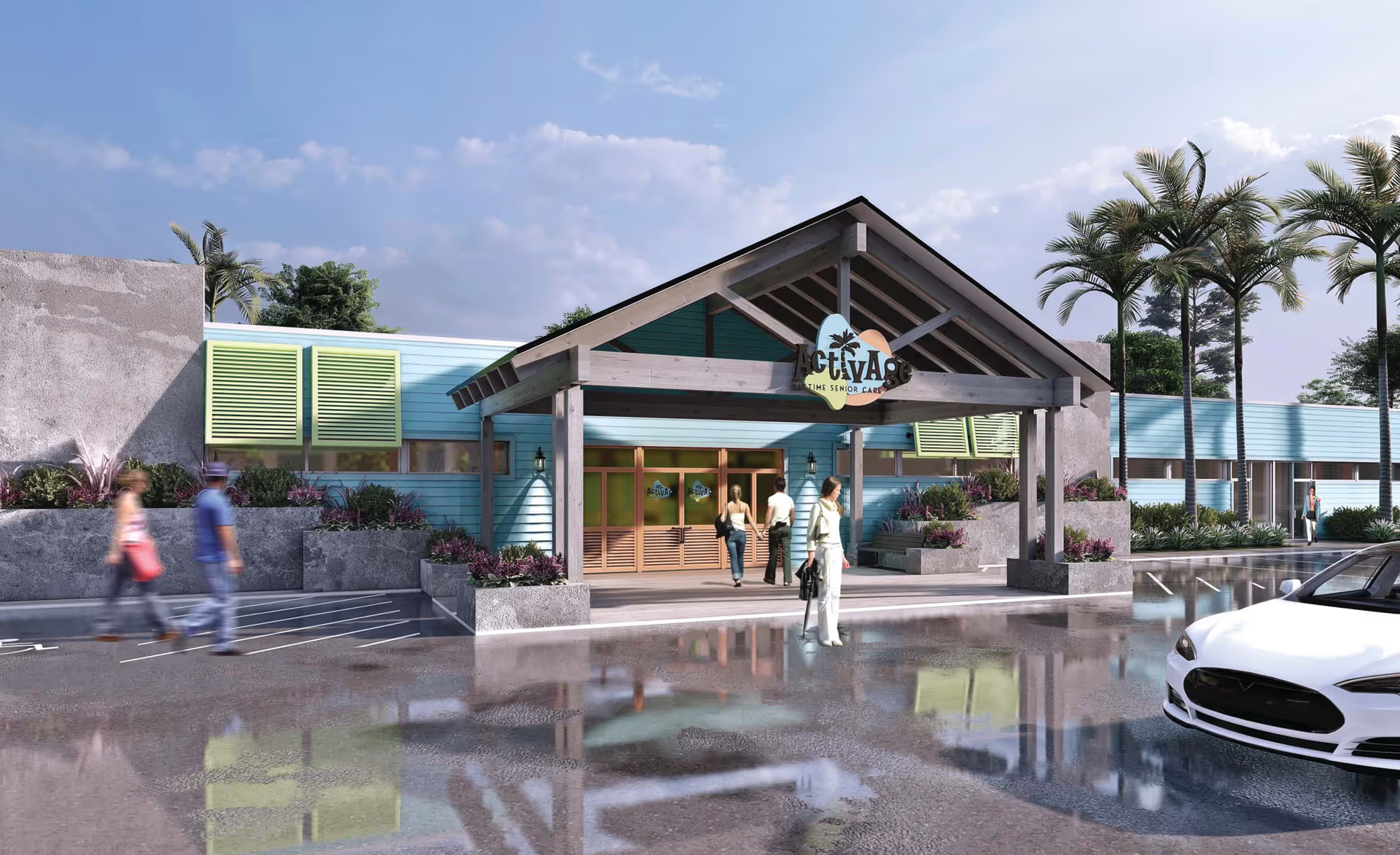
The collected reviews describe a facility with a clearly polarized set of experiences. Many families praise the direct-care staff and therapy teams: caregivers are frequently described as compassionate and attentive, therapists as effective, and interdisciplinary coordination for short-term rehabilitation and discharge planning is often noted as a strength. Reviewers repeatedly cite good meal service, a pleasant environment, proactive infection-control measures, and several examples of successful functional recovery and emotional support.
At the same time, there is a recurring cluster of operational concerns that prospective clients should consider. Communication from the office and front desk is uneven; several accounts describe delayed callbacks, difficulty reaching staff, and a lack of timely updates to families. Medication handling and notification procedures are an area of vulnerability in the reviews — families described delays or lack of notification when medications were delayed or when family-supplied medications were needed.
Reliability of overnight coverage and urgent-response capability emerge as distinct issues. Reports indicate gaps in night-shift supervision and failures in overnight staffing or responsiveness, which some reviewers linked to unmet needs during those hours. More broadly, there are descriptions of intermittent failures in urgent help and shift coverage that suggest the agency’s on-call and escalation processes may be inconsistent.
Management and administrative issues appear as a second theme: while some reviews single out an effective administrator and praise leadership, others describe inconsistent management, unexpected billing practices (including significant price increases), and admissions or marketing that did not match the in-person experience. Facility maintenance and dated infrastructure are mentioned alongside a few hygiene- and environment-related concerns. There are also statements raising concerns about caregiver professionalism and conduct, and one or more serious post-event allegations following a client death; these items represent individual high-severity concerns that families may wish to explore directly with the provider and through regulatory or professional channels.
In sum, the pattern is mixed: the facility demonstrates real clinical and therapeutic strengths that have led to good outcomes for many clients, especially in short-term rehab and emotional support. However, families should weigh those positives against documented operational weaknesses — notably in office communication, medication processes, overnight staffing, and administrative transparency. Prospective clients may find it helpful to ask targeted questions about overnight staffing ratios and supervision, escalation protocols for urgent needs, medication administration and family notification procedures, and recent changes in pricing or admissions policies before making a placement decision.