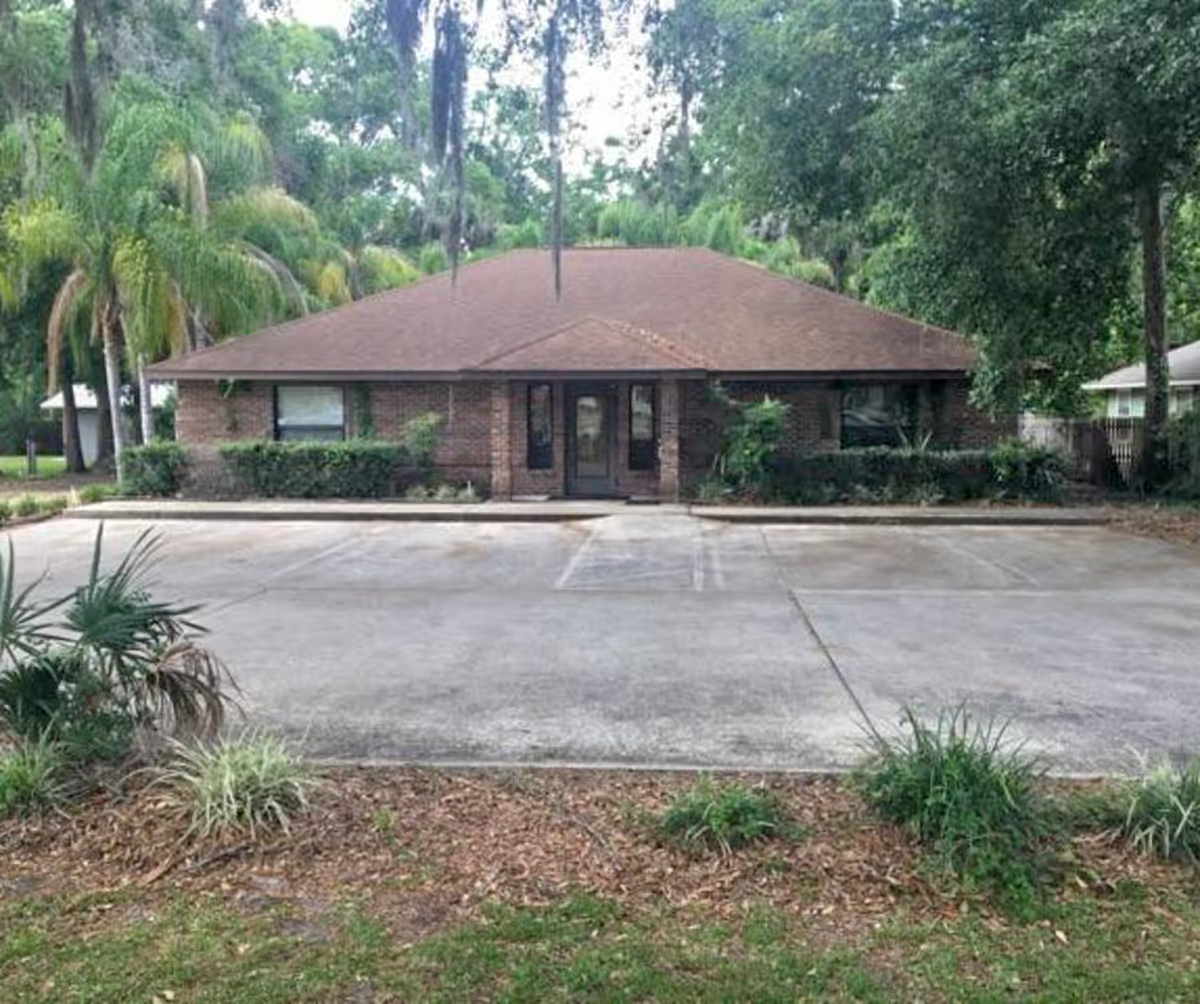
Reviews present a mixed but coherent portrait: direct-care staff—especially nurses and frontline caregivers—are frequently described as compassionate, attentive, and skilled at providing comfort, medication/ADL assistance, and clear explanations to families. Many families credit the care team with providing peace of mind during end-of-life care and note strengths such as dementia and veteran-support familiarity, regular visit routines, collaborative team behavior, and a clean, comfortable facility environment.
Despite these strengths, there are recurring operational concerns. Several reviewers described inconsistent communication between the office, case managers, and caregiving teams, producing conflicting information and coordination gaps. These coordination weaknesses have been associated with delayed medication response in at least one account, infrequent or missed caregiver visits in others, and insufficient follow-up after a client's death. Reviewers also cited issues with case-management conduct and trustworthiness, which relates to broader concerns about insurance handling and billing transparency. Separately, the agency has a documented prior Medicare-related settlement; prospective clients should consider that history when evaluating billing and compliance risk.
For families weighing this agency, the practical trade-offs are clear: strong bedside care and compassionate staff can coexist with organizational and administrative weaknesses that affect reliability and trust. Before engaging services, ask targeted questions about point-of-contact responsibilities, medication-response protocols, shift coverage guarantees, bereavement/post-death follow-up procedures, and billing/insurance dispute resolution. If facility-based placement is a consideration, verify current bed availability. These checks will help reconcile the generally positive direct-care reports with the operational issues noted in several accounts.