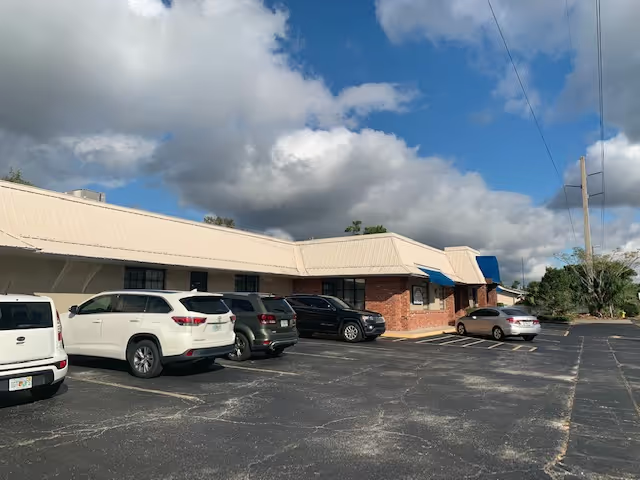
Overall impression: Reviews present a mixed but generally positive picture of John Knox Village of Central Florida as a well-maintained, socially active retirement community with a strong hospitality and housekeeping presence. Reviewers consistently praise the physical campus, cleanliness, social programming, and an upscale dining environment and service when the dining program is operating at its best. Many comments emphasize warm interactions with front-line staff and an engaging communal atmosphere that residents and families find appealing.
Caregiver quality: Direct comments about caregiving are limited in the material provided; where caregiving is referenced, staff are described as friendly and competent. At the same time, there are isolated concerns about unprofessional behavior from specific staff members and a lack of detailed caregiving feedback in some accounts. Taken together, this suggests generally positive interpersonal care but with occasional variability in professionalism and limited public-facing detail about caregiver performance or care metrics.
Office communication, reliability, and scheduling: A recurring theme is administrative communication and responsiveness. Several accounts describe slow or poor communication from administration, which families say has affected problem resolution and confidence in the operation. Related operational traits include perceived scheduling and reliability gaps; these concerns are not framed as universal but indicate that administrative responsiveness and shift/schedule management can be uneven and may impact families during transitions or incidents.
Management priorities and value: Some reviewers perceive management decisions as financially driven, which has influenced perceptions of value and priorities. In a few instances, operational changes (for example, staff or chef turnover) have led to noticeable declines in service quality from the perspective of residents and families. This pattern suggests prospective clients should clarify how changes in leadership or vendor/staffing affect resident services and costs.
Dining and hospitality services: Dining receives mixed commentary. Multiple reviewers praise the dining room, elegant presentation, and attentive service; others report a decline in food quality and a more bland presentation after changes in kitchen leadership. This indicates an unevenness in food-service continuity that may depend on staffing and management choices. The community’s activities, entertainment, and social environment are frequently described as robust and well-run, contributing strongly to resident satisfaction.
Safety and care coordination: There are mentions of mistakes that raised health-related concerns. Those statements do not provide broad evidence of systemic clinical failure but do point to potential gaps in care coordination, incident management, or clinical oversight that families should inquire about directly. Ask for details on incident-reporting procedures, clinical oversight, staff training, and quality metrics when evaluating the community.
What to watch for and suggested inquiries: Prospective residents and families should confirm current dining leadership and sample meals if dining quality is important; ask for written communication protocols and examples of how the community handles urgent requests; request information on staff training, supervision, and metrics for caregiver performance; and get clarity on billing, contract terms, and how management balances fiscal decisions with resident services. These steps can help mitigate variability in dining, administrative responsiveness, and staff professionalism noted in the reviews.