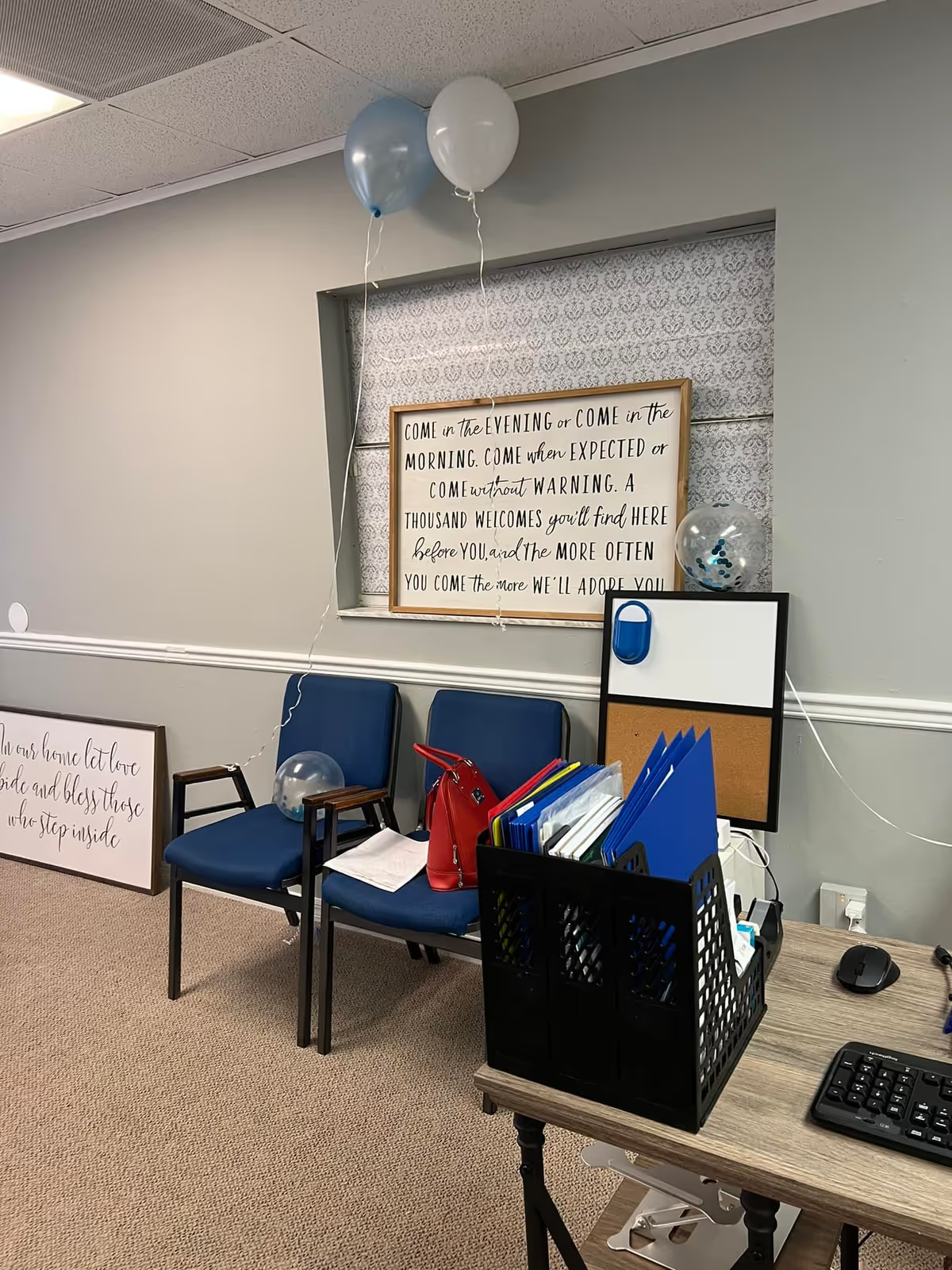
Reviews reflect a clear clustering of strengths and operational weaknesses. Strengths are concentrated around bedside care: many families describe caregivers as compassionate, attentive to comfort and pain control, and supportive of both patients and relatives through the final days. Clinical staff and nurses are frequently described as knowledgeable and timely, with families noting clear explanations about what to expect and help with practical tasks such as arranging transportation, locating a funeral home, and post-death follow-up. Spiritual support and chaplaincy are also cited as meaningful components of care, and several remarks reference clean, private rooms and comfortable grounds.
At the agency level, the most consistent concern is variation in caregiver quality and assignment stability. While many accounts praise specific aides and nursing staff, other accounts describe inconsistent performance, occasional rude or condescending interactions, and uneven match between client needs and assigned caregivers. Related to that, scheduling reliability and shift consistency appear mixed: some families report fully staffed coverage and seamless admissions, while others describe lapses in communication or responsiveness when questions or problems arose.
Office communication and care coordination show a similar split. Several families commend clear, timely updates and thorough explanations; others experienced poor follow-up, limited updates after concerns were raised, and coordination errors involving medications or post-death arrangements. One specific operational theme that emerges is discomfort with solicitation practices: donation or fundraising requests after services can create dissatisfaction and raise questions about value and agency priorities.
Management-related patterns include geographic variation in experience. Multiple accounts suggest that quality and responsiveness can differ by location, indicating uneven local oversight or staffing. Families seeking care should therefore expect strong, compassionate clinical care in many cases but should also be prepared to verify caregiver assignments, communication protocols, and post-death coordination procedures up front.
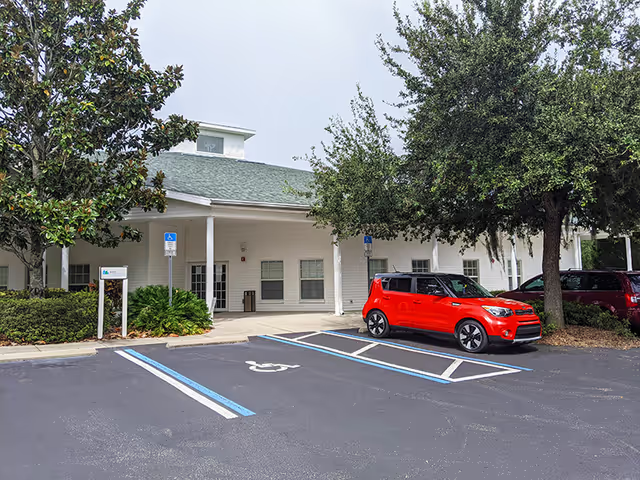
Practical implications: for prospective clients and families, Gulfside Center for Hospice Care at Heather Hill demonstrates strengths in compassionate bedside care, spiritual support, and assistance with logistics. To reduce risk of disappointing experiences, ask the agency about caregiver consistency, escalation and follow-up procedures, medication-handling protocols, and policies on fundraising or donation requests. These targeted questions can help align expectations and identify whether the local team has the operational reliability you require.