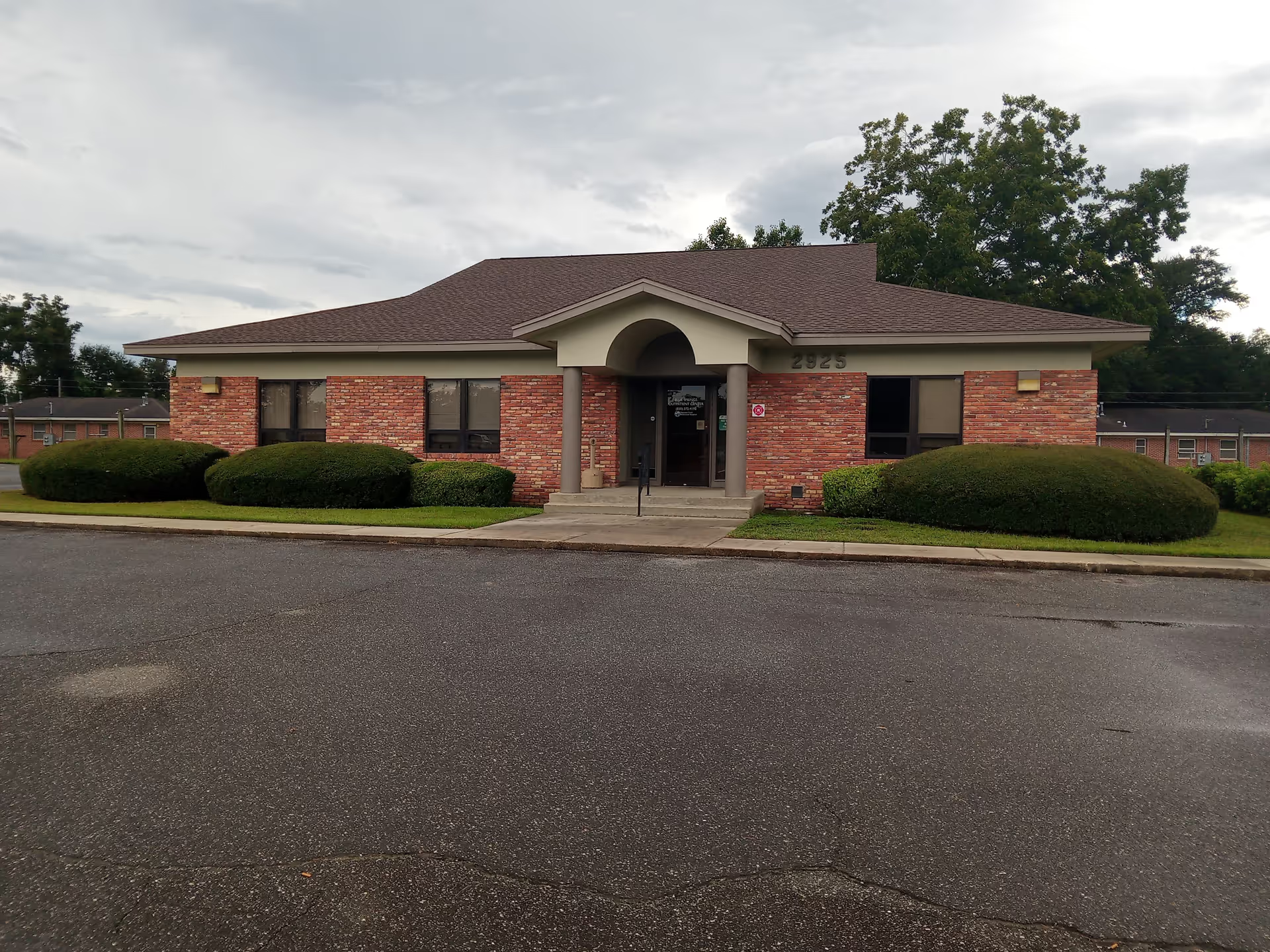
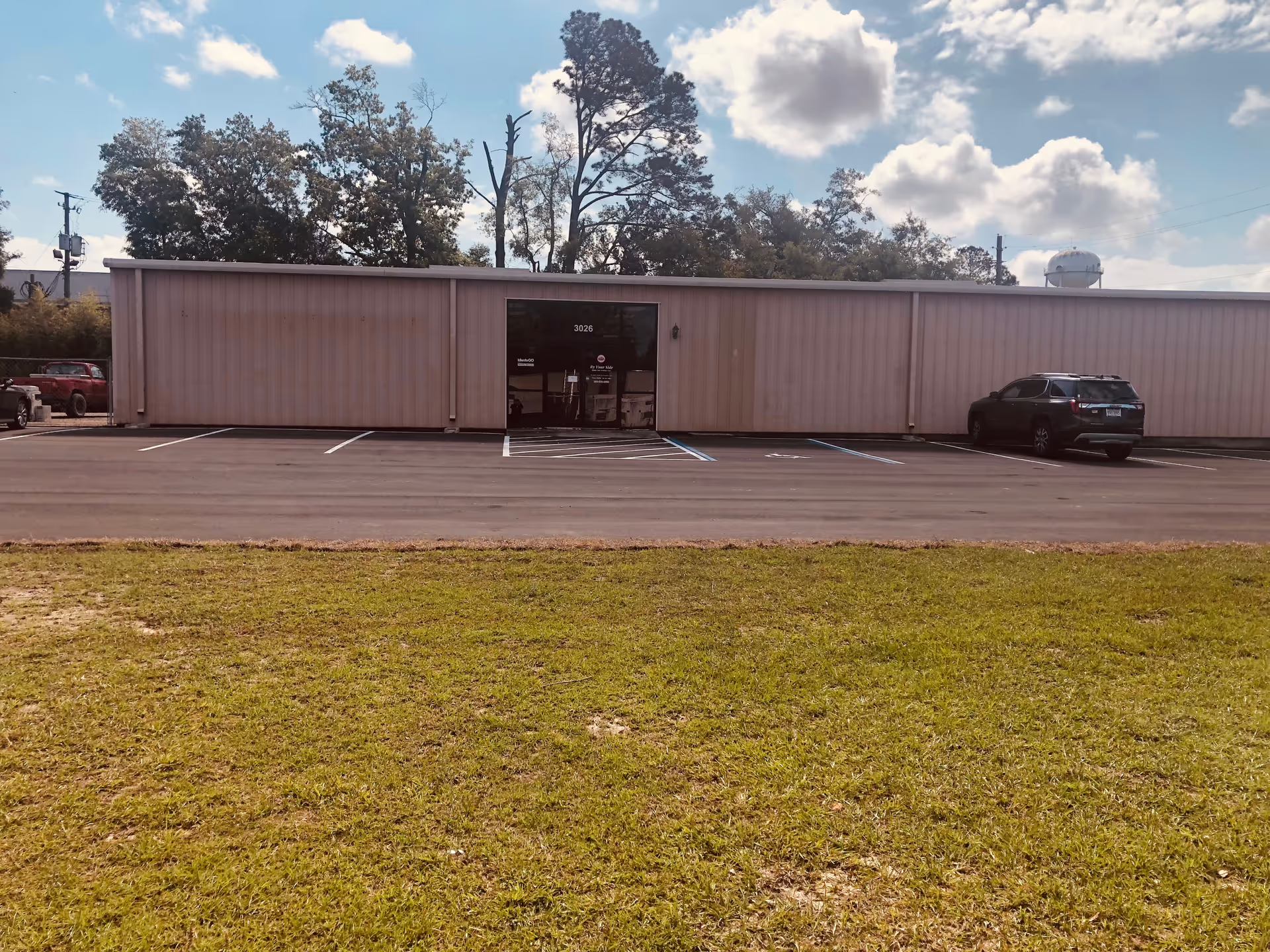
Reviewers describe a polarized experience with Emerald Coast Hospice: many families praised individual caregivers and clinicians for compassion, professionalism, and practical support, while other families experienced clear operational weaknesses. Strengths most consistently mentioned include warm, respectful bedside care from nurses and aides, effective spiritual support from chaplains, and hands-on assistance from social workers when available. Several families specifically credited the team with enabling comfortable in-home deaths, furnishing beds and supplies quickly, and providing clear guidance to family caregivers.
At the same time, a repeated pattern of variability emerges. Caregiver quality is uneven: some clinicians were described as highly skilled and attentive, while others were perceived as inexperienced, insensitive, or poorly matched to the household. Assignment continuity was a common concern—families noted inconsistent caregiver schedules and occasional no-shows—which affects both day-to-day caregiving and trust. Scheduling procedures were also criticized: reviewers cited last-minute rescheduling, unexplained office closures, and long wait-times for routine visits.
Clinical safety and responsiveness were areas of particular concern. Several accounts raised issues with medication availability and timeliness, especially during end-of-life symptom management, and some families had to secure medications or escalate to emergency services. These incidents point to weaknesses in medication-management protocols and after-hours escalation. Related operational problems included equipment-delivery delays and occasional setup issues; by contrast, the durable-equipment driver was singled out positively in some reports.
Communication from the office showed inconsistency. Many families experienced prompt, compassionate communication and quick callbacks, while others encountered slow or absent responses, long voicemail delays, and perceived inadequate listening to family input. Bereavement follow-up and counseling were described as inconsistent—some families received helpful outreach, others reported little to no post-death contact or infrequent counseling sessions.
Billing and administrative transparency also surfaced as a concern: there are accounts of unexpected charges and unclear billing interactions that produced distress for some families. Taken together, the pattern suggests an agency capable of excellent, compassionate in-home hospice care when staffed and coordinated well, but with uneven systems for staffing consistency, medication protocols, scheduling, communication, and billing.
For prospective clients: verify caregiver continuity and backup staffing plans, ask explicitly about on-call medication availability and end-of-life escalation procedures, request written billing estimates and cancellation policies, and inquire about the agency's bereavement and counseling follow-up. These checks can help families preserve the aspects of care that are most highly praised while reducing exposure to the operational weaknesses flagged in reviews.