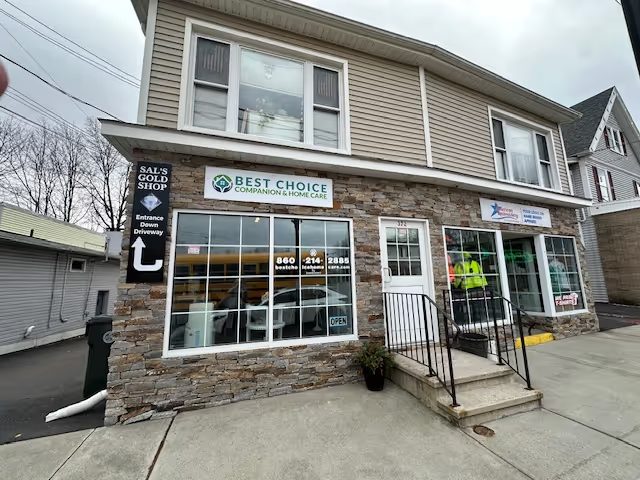
Reviewer sentiment is polarized but consistent in the types of experiences families encounter. Many families praise caregivers for warmth, companionship and continuity: long‑term assignments, personalized routines, assistance with shopping and homemaking, and accompaniment for medical appointments are repeatedly described as improving quality of life and enabling safe home recovery. Multiple accounts highlight skilled, patient caregivers who adapt to client preferences, provide emotional support, and communicate well with families. Office staff also receives favorable comments for professionalism, responsiveness, and flexibility, including bilingual support in some cases.
Counterbalancing those positives are frequent operational concerns around reliability and oversight. A substantive pattern of missed shifts, late arrivals and last‑minute cancellations emerges from the feedback; this manifests as interruptions to planned care and stress for families who rely on consistent coverage. Related issues include inconsistent punctuality and scheduling coordination, and several reviewers described challenges with travel logistics that affected caregivers’ arrival times.
Caregiver conduct and selection surfaced as another recurrent theme. While many caregivers are described as compassionate and professional, other accounts point to attentiveness lapses (excessive phone use, unscheduled breaks), boundary issues, and conduct that families found inappropriate. These instances suggest gaps in hiring, training emphasis, or supervisory follow‑up. Linked to that are concerns about field supervision—several reviewers specifically noted limited home‑visit checks or perceived weak oversight of in‑home care quality.
Office communication receives mixed assessments. Numerous families commend clear, helpful communication and a responsive office that coordinates care and adapts schedules. At the same time, some reviewers report slow or disrespectful customer‑service interactions, long hold times, and difficulty getting timely explanations about changes or incidents. Billing and payroll transparency are generally not the dominant theme, but a subset of reviewers raised questions about pay deductions or unclear billing that prospective clients should verify in advance.
Notable operational flags for prospective clients include transportation safety and occasional allegations of household‑property incidents; these are less common than the positive caregiving reports but are significant when they occur and merit direct inquiry during intake. Overall, the agency demonstrates strong strengths in caregiver warmth, individualized care, and flexibility, but families should assess backup staffing plans, ask about supervision/home‑check protocols, confirm transportation practices, and clarify billing and cancellation policies to reduce the risk of the negative patterns described.