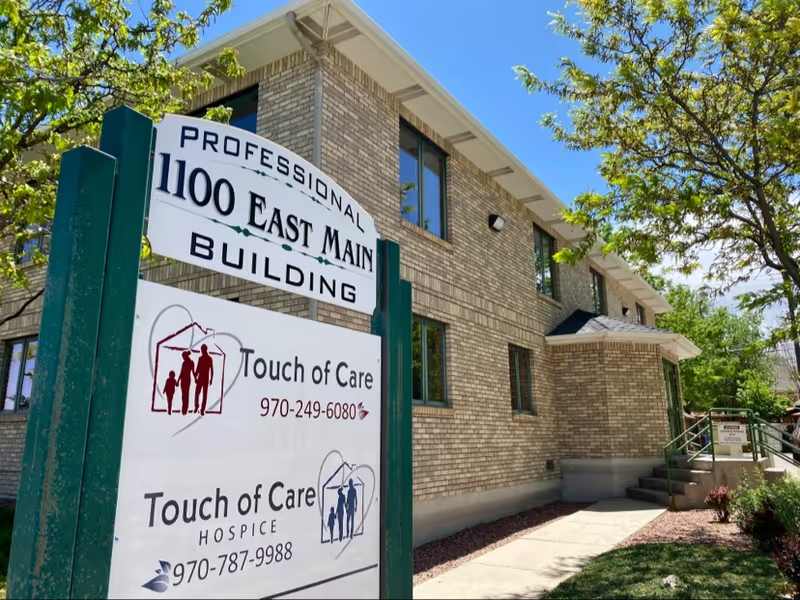
The set of reviews reflects a mixed but instructive profile of the agency. Positive comments emphasize caregiving that is compassionate, personalized and capable of supporting everyday household tasks and errands; several reviewers credited caregivers with improving quality of life and forming long-term, family-like relationships. When things go well, reviewers describe clear, consistent communication, above-average personal and clinical care, and an office staff that is easy to work with and supportive.
However, the positive experiences sit alongside recurring operational concerns. Multiple reviewers described variability in caregiver professionalism and conduct, and others pointed to uneven reliability of shift coverage and scheduling. These operational gaps appear linked to limitations in onboarding and training practices and to inconsistent supervision and quality assurance, which together can produce markedly different client experiences depending on the assigned caregiver and team.
Office-level issues also appear in the feedback. While some families find communication straightforward, others report weak responsiveness and follow-through from the office, inconsistent human-resources actions, and uneven handling of personnel matters. A related pattern concerns the agency’s handling of property incidents and client complaints: reviewers described situations where resolution and reimbursement processes were unsatisfactory, which reduced perceived value for those clients.
In practical terms, prospective clients and families should be aware that the agency is capable of delivering compassionate, effective home care but that outcomes may vary. Before engaging services, ask specific questions about caregiver training, supervision and backup staffing; confirm scheduling and shift guarantees; and clarify the agency’s policy for property incidents and dispute resolution. Those steps can help align expectations and mitigate the variability documented across reviews.