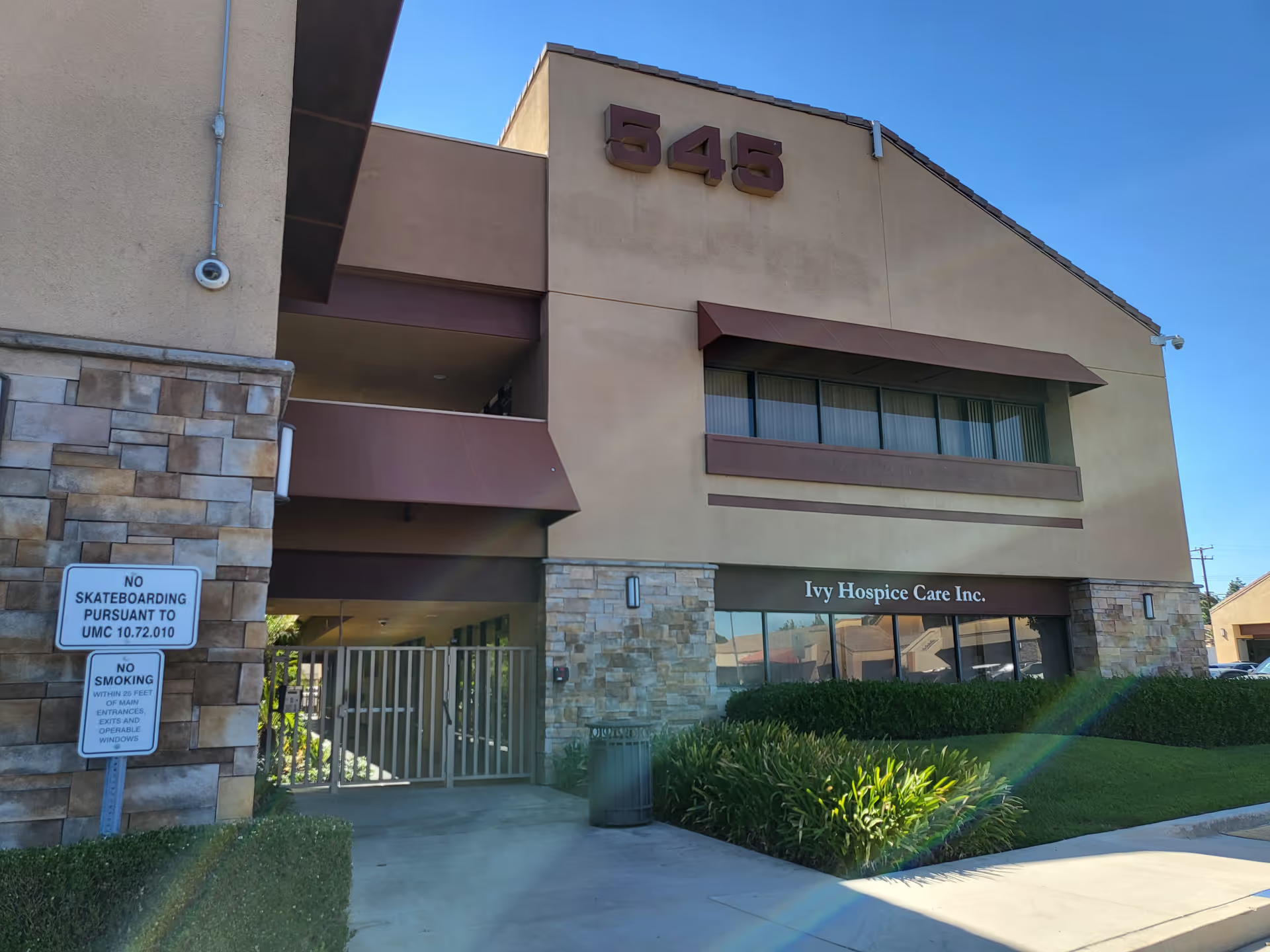
Overall impression: Reviews describe Medplus Hospice Services as a locally rooted agency with a strong clinical and relational presence. Caregivers and nurses are repeatedly characterized as attentive, competent, and compassionate, with families noting empathetic bedside manner and practical clinical skill. Several accounts emphasize the agency’s end-of-life expertise, including caregiver education about the dying process and clinicians who provide both clinical care and emotional support.
Caregiver quality and reliability: Direct-care staff receive consistently positive mentions for being patient, respectful, and responsive. Nurses are singled out for clinical competence and for going beyond routine expectations. Reliability in remote areas and consistent shift coverage are noted, and reviewers describe prompt callbacks and hands-on owner involvement that appear to support dependable care delivery.
Office communication and management: The agency’s leadership and ownership are described as engaged and accessible, with a responsive phone line and minimal use of answering machines. This responsiveness extends to after-hours needs such as equipment delivery. However, there are indications of operational gaps: correspondence and interactions with administrative staff are occasionally described as uneven, and a pattern of short scheduled visit durations was mentioned. These points suggest that while clinical teams are robust, administrative processes and visit-length policies may vary in practice.
Scheduling, coordination, and value: Families report flexibility around scheduling, assistance arranging tours of senior living options, and effective connections with other providers. The agency’s 24/7 availability and willingness to coordinate logistics are clear strengths. Reviewers also perceive the service as reasonably priced for hospice care, highlighting value alongside clinical attention. Taken together, the pattern shows a clinically strong, locally engaged hospice provider with attentive front-line staff and responsive leadership, tempered by some operational inconsistencies in non-clinical administration and visit-length management that prospective clients should confirm during intake and care planning.