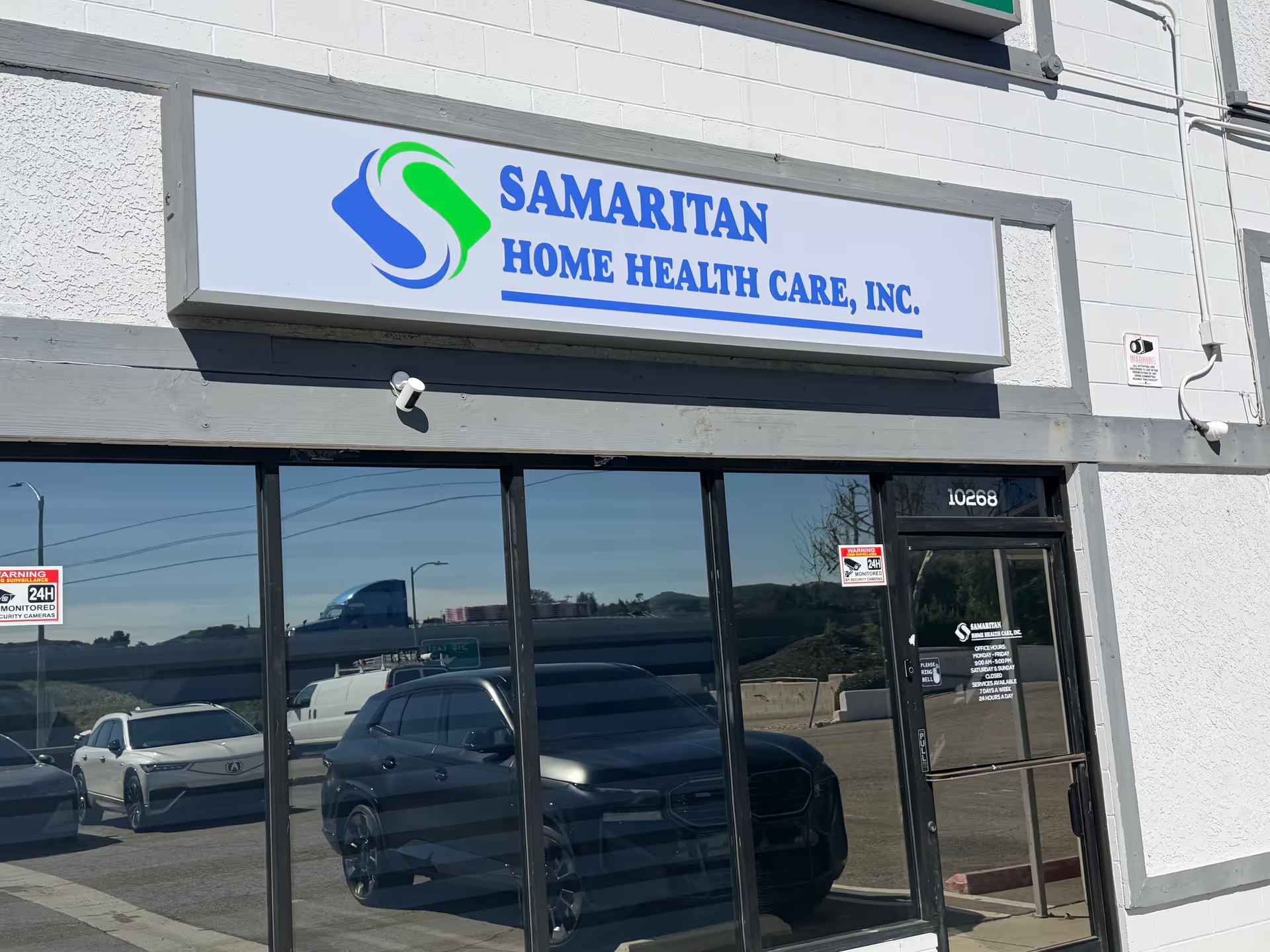
The reviews reflect a predominantly positive experience with frontline caregiving at this agency. Many families emphasize caregiver warmth, attentiveness, and a personalized approach to clients’ needs; skilled nursing and physical-therapy support are singled out as effective contributors to home recovery. Individual clinicians are praised for professionalism and a cheerful manner, and several accounts highlight a caring office staff that facilitates stress-free transitions and ongoing coordination of care.
Alongside these strengths, the feedback also reveals important operational concerns. One detailed account described missed antibiotic doses and poor follow-through, which points to medication-management lapses and weaknesses in clinical coordination. That same account described problematic interactions with staff and a misleading presentation of scheduling, suggesting gaps in office communication, variable staff professionalism, and scheduling-transparency issues. There is also at least one note about an inappropriate hospice-related remark, which raises concerns about sensitivity in end-of-life communication.
Taken together, the pattern is mixed: caregiver quality and clinical skill are clear positives, and many families experienced dependable, compassionate hands-on care and helpful administrative support. However, prospective clients should be aware of potential variability in operational consistency. Key areas to clarify when evaluating the agency include medication administration protocols and oversight, how the office handles communication and complaints, the agency’s approach to scheduling and backup coverage, and staff training around sensitive conversations. These checks can help families maximize the agency’s strengths while mitigating the operational risks reflected in the less favorable account.