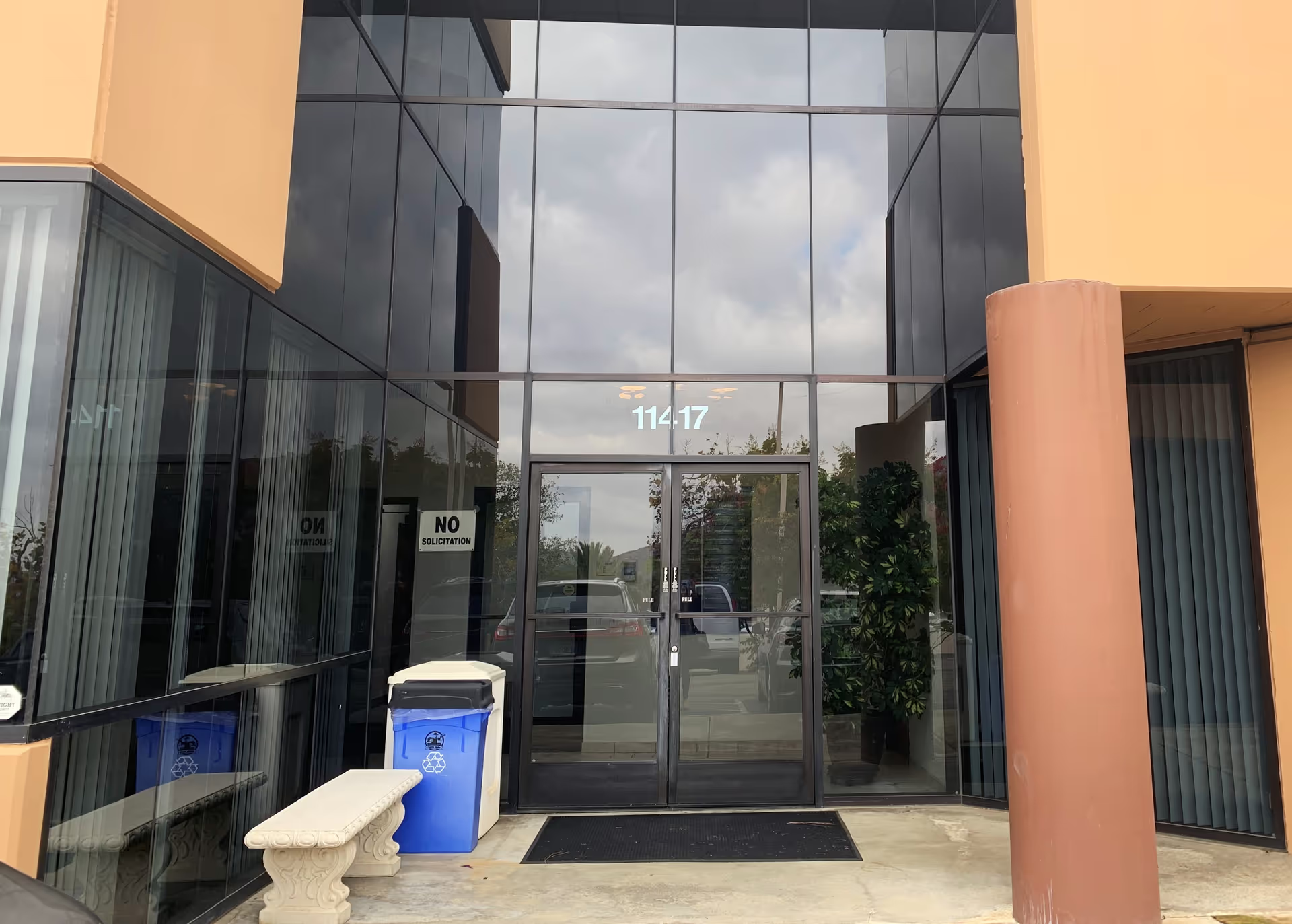
Overall impression: Families commonly describe Hospice of the North Coast Pacifica House as a calm, well-maintained hospice environment staffed by compassionate caregivers and capable nurses. Many reviews highlight the facility’s peaceful setting, comfortable private rooms, 24/7 availability, and supportive programming — including music therapy, a therapy dog, volunteer engagement, and bereavement resources — that together provide families with noticeable peace of mind during end-of-life care.
Caregiver quality and clinical care: The dominant pattern is positive: reviewers emphasize kind, gentle, and skilled caregivers and exemplary nursing support. Skilled clinical care, hands-on family assistance, and thoughtful transition support are repeatedly mentioned. However, a minority of accounts point to variability in individual caregiver conduct and empathy. These accounts indicate that while many staff members provide excellent bedside care, there are isolated instances of staff behavior or attitude that families found distressing.
Communication and reliability: Communication practices appear mixed. Several families appreciated on-call and emergency-contact access and said they could obtain updates by phone. At the same time, others experienced limited or restrictive contact pathways and inconsistent responsiveness from administrative staff, including concerns about the manner of charge-nursing communication. Reliability of coverage is generally attested to by comments about 24/7 care and attentive staffing, but the variability in caregiver performance and isolated examples of abrupt transitions or rapid discharge decisions suggest that operational consistency can fluctuate.
Scheduling, management, and clinical decision-making: Admissions and handoffs are often described as smooth, and families frequently praised transition support. Nevertheless, a few accounts raise concerns about medication-management processes (including dosing and clinical-decision handling) and what some perceived as rigid clinical policies. These issues point to opportunities for clearer protocols, improved documentation, and stronger frontline supervision. Management responsiveness is variable in reviewers’ accounts: leadership and many frontline managers are credited with supportive practices, yet others encountered administrative attitudes or communication styles that undermined trust.
Value and notable patterns: Many families explicitly express gratitude and say the service delivered clear value through compassionate care and family-focused supports. The most consistent strengths are the facility’s atmosphere, supportive programming, and nursing skill. The most notable risks for prospective families are variability in individual caregiver conduct/empathy, procedural weaknesses around medication decisions, and occasional restrictive or inconsistent communication from office staff. Those considering this provider should weigh the strong pattern of compassionate, comprehensive hospice offerings against the potential for uneven interpersonal experiences; asking about caregiver assignment practices, medication-review procedures, and preferred family-contact channels during intake may help mitigate the identified concerns.