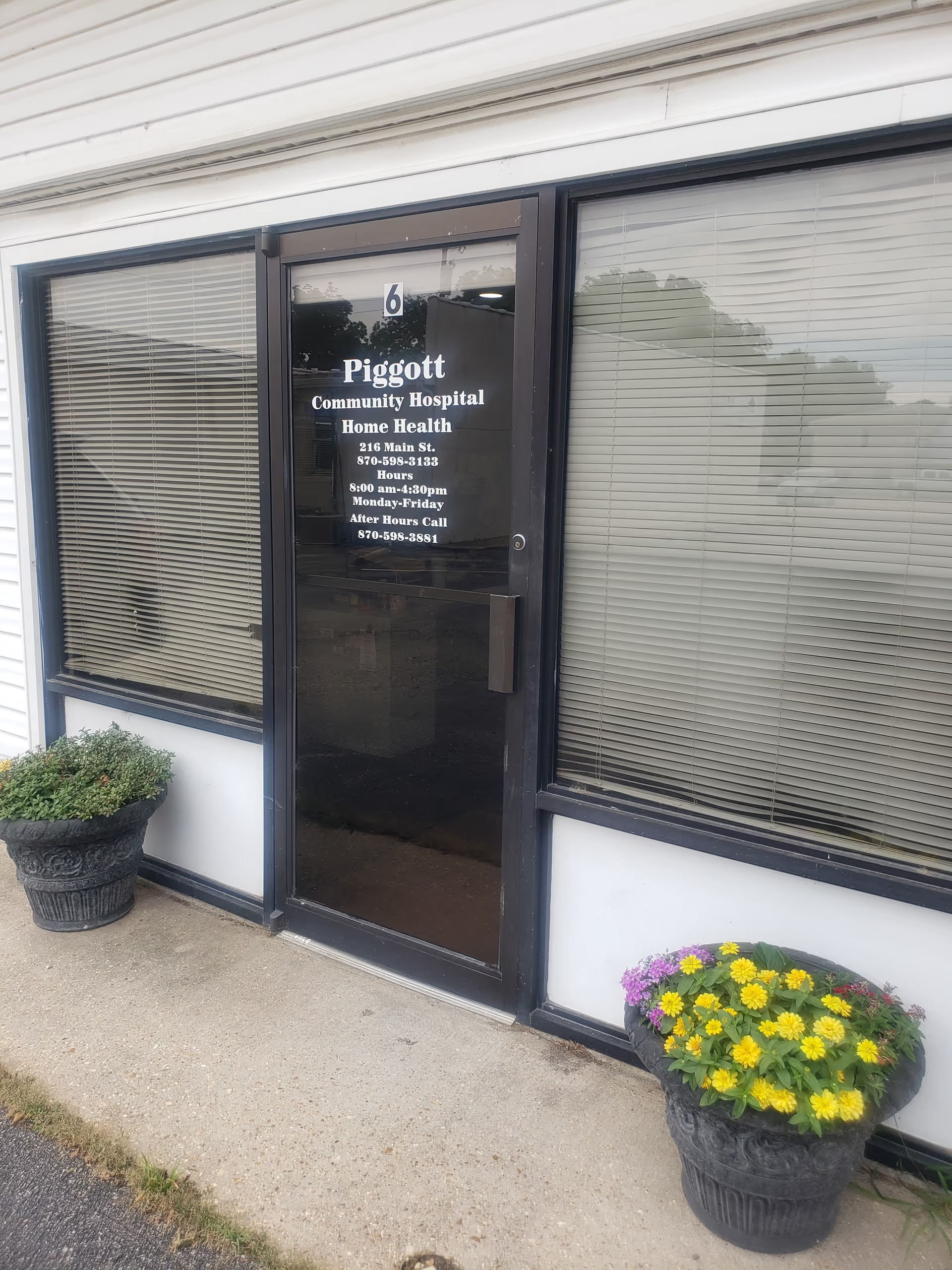
Overall impression: The reviews portray Allheart Senior Care as an agency with a strong caregiving core and a family-oriented culture. Across the summaries, caregivers are consistently described as warm, compassionate, and attentive; many families praised aides who provided personalized attention, went beyond basic tasks, and developed long-term relationships with clients. Reviewers also referenced competent home health aides and nurses, with several named staff receiving direct praise for professionalism and kindness.
Caregiver quality: Caregiver skill and interpersonal conduct are the agency's clearest strengths. Multiple comments emphasize caregivers who assist with activities of daily living, household tasks, and companionship in a respectful manner. Reviewers frequently used terms that suggest reliability, empathy, and familiarity with client needs, and several accounts point to aides who became trusted, long-term team members for their families.
Office communication and management: Feedback on office-level communication is mixed. Many families described responsive, caring office staff who were easy to reach, helpful with approvals, and supportive in arranging services. At the same time, a notable subset of reviews documents problems with responsiveness, ignored messages, and a desire for clearer leadership contact. This indicates inconsistency in administrative follow-up and client-facing communication practices across different offices or situations.
Reliability and scheduling: Scheduling reliability is a recurring tension. Several reviewers reported consistent, dependable coverage and timely scheduling, while other summaries highlight missed shifts, no-shows, and inconsistent weekly coverage. These accounts point to an operational variability where some clients receive steady assignments and others face gaps or last-minute disruptions, which can affect continuity of care.
Billing and value: Many families expressed satisfaction with the overall value of services and appreciated assistance with supplies and approvals. However, there are mentions of billing issues—specifically concerns about being charged for hours not received or lack of restitution for missed hours. These comments suggest opportunities for clearer billing communication and tighter controls to ensure charge-hour accuracy.
Notable patterns and caveats: Geographic and office-level variation appears relevant—several local offices and individual caregivers were singled out positively (for example, Walnut Ridge, Paragould, and Jonesboro offices received praise), which supports the interpretation that client experience may depend on specific branches or staff. A small number of reviews describe upsetting intake interactions or unprofessional screening questions; while not indicative of the general standard of care, these incidents signal a need for consistent training and intake protocols to prevent distress during the onboarding process.
Bottom line: Prospective clients and families can expect high-quality, compassionate caregiving and a culture that emphasizes personalized attention and long-term relationships. At the same time, they should verify scheduling practices and billing procedures up front and clarify communication pathways with the local office. Consistency in administrative responsiveness and schedule management appears to be the primary operational area for improvement.