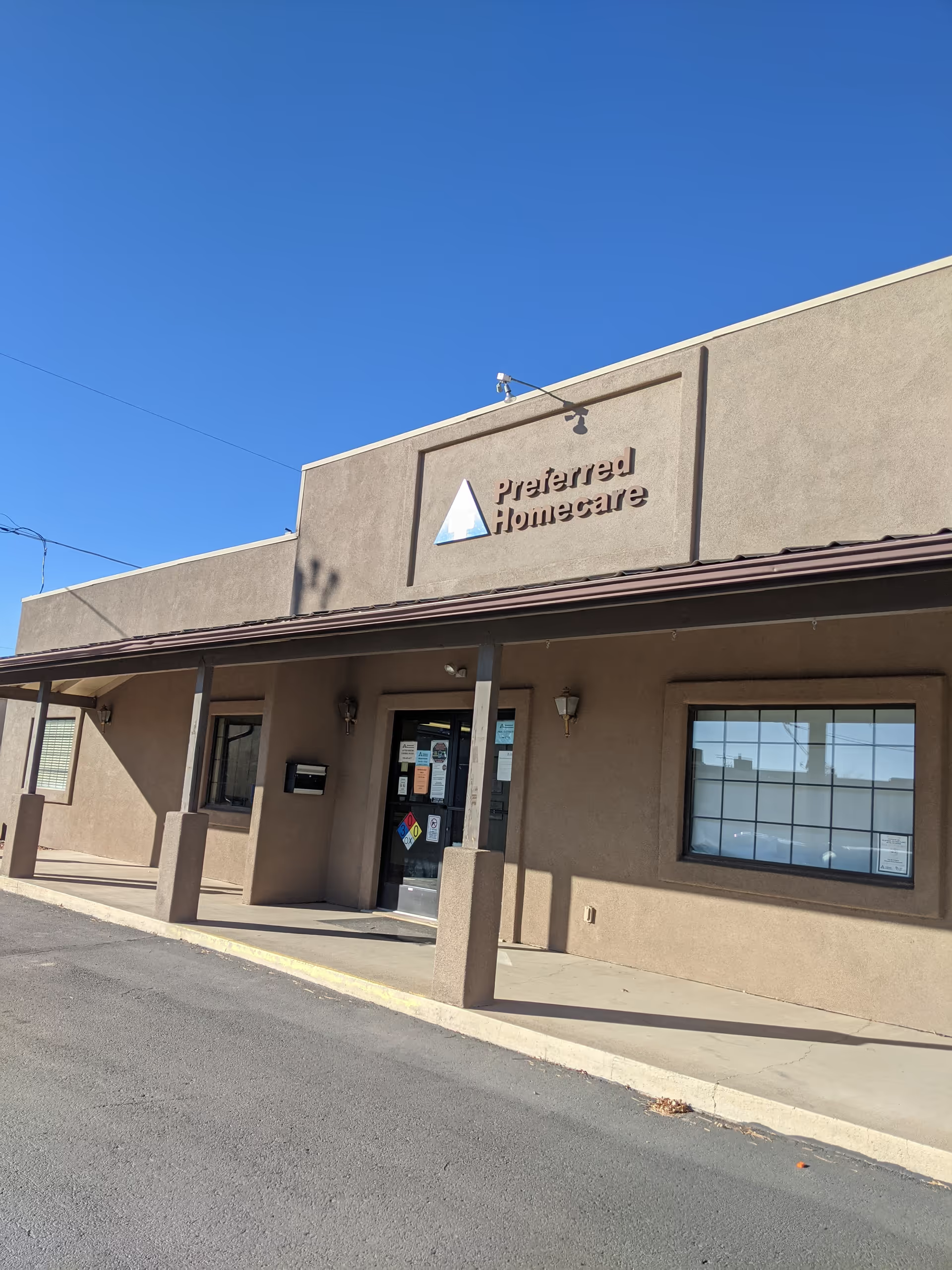
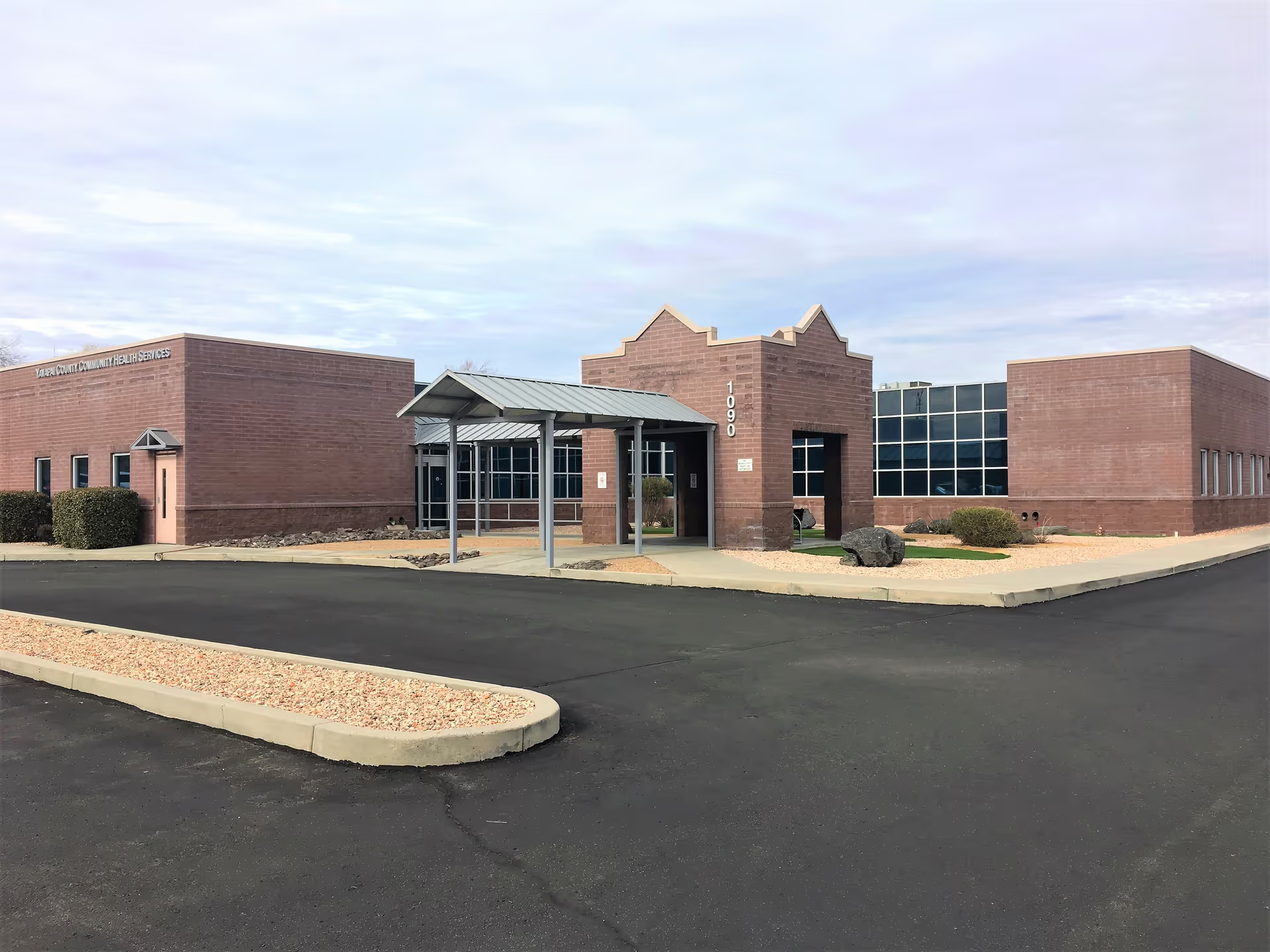
Across the reviews, The Pines Home Health & Hospice is consistently described as a compassionate, clinically capable provider. Reviewers emphasize caring, respectful caregivers and knowledgeable nursing and therapy staff; many families cite clear functional improvements from PT/OT, helpful at-home exercise guidance, and attentive nursing interventions such as wound and medication-support visits. The agency receives repeated praise for hospice and end-of-life support, with comments about dignified, family-centered transitions and spiritual or emotional comfort. Practical strengths highlighted include timely delivery of equipment and supplies, personalized care plans, and staff who provide education and emotional support to families.
Office responsiveness and scheduling are frequently noted as strengths: reviewers describe on-time visits, convenient scheduling, proactive outreach, and staff who plan ahead for visits. The team-based approach and coordination among nurses, therapists, and aides are often framed as supportive to recovery and caregiver relief. Several accounts also praise specific clinicians by name for professionalism and clarity in explaining care and recovery expectations.
Notable operational patterns suggest areas for improvement. A number of reviews point to inconsistent communication practices with families — for example, preferences for text updates or using a client’s cell phone were not always followed — and variability in how clinicians communicate with designated decision-makers. There are isolated but significant descriptions of clinician conduct and medication-related concerns; these are best understood as variability in clinician practice and occasional lapses in medication documentation or communication rather than a systemic indictment of the entire staff. Relatedly, a few reviews describe difficulties around discharges and coordination with physicians, indicating that care-transition planning and physician liaison processes can be uneven.
For prospective clients and families: the agency offers strong clinical care, reliable therapies, and compassionate hospice services, and it tends to be responsive and organized on the operational level. To mitigate the noted variability, families should confirm communication preferences up front (preferred contact method, POA notification protocols), review medication-management and documentation procedures, and clarify discharge or transition plans with the care team. These steps can help maximize the agency’s strengths while reducing the impact of the operational gaps some families experienced.