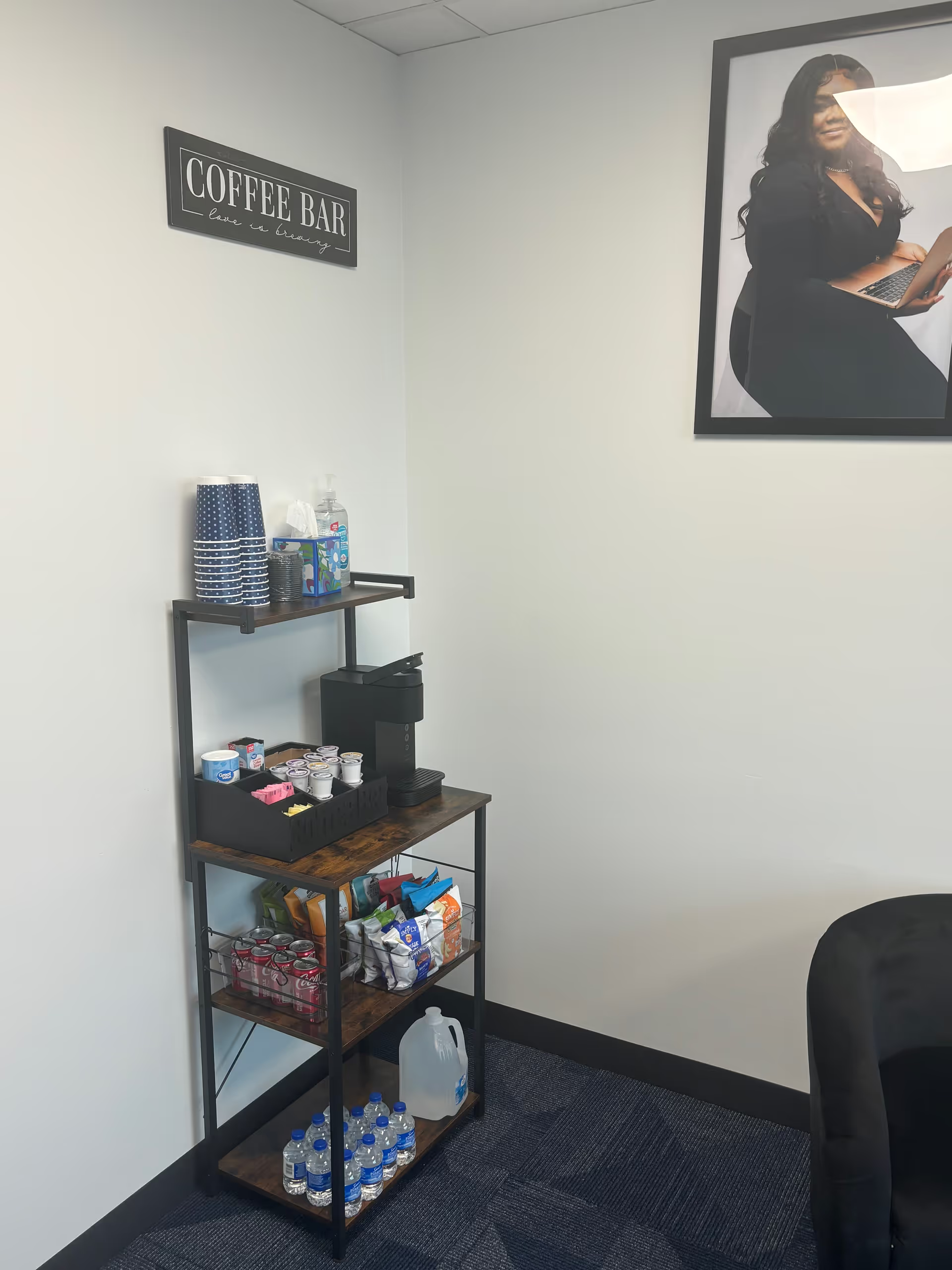
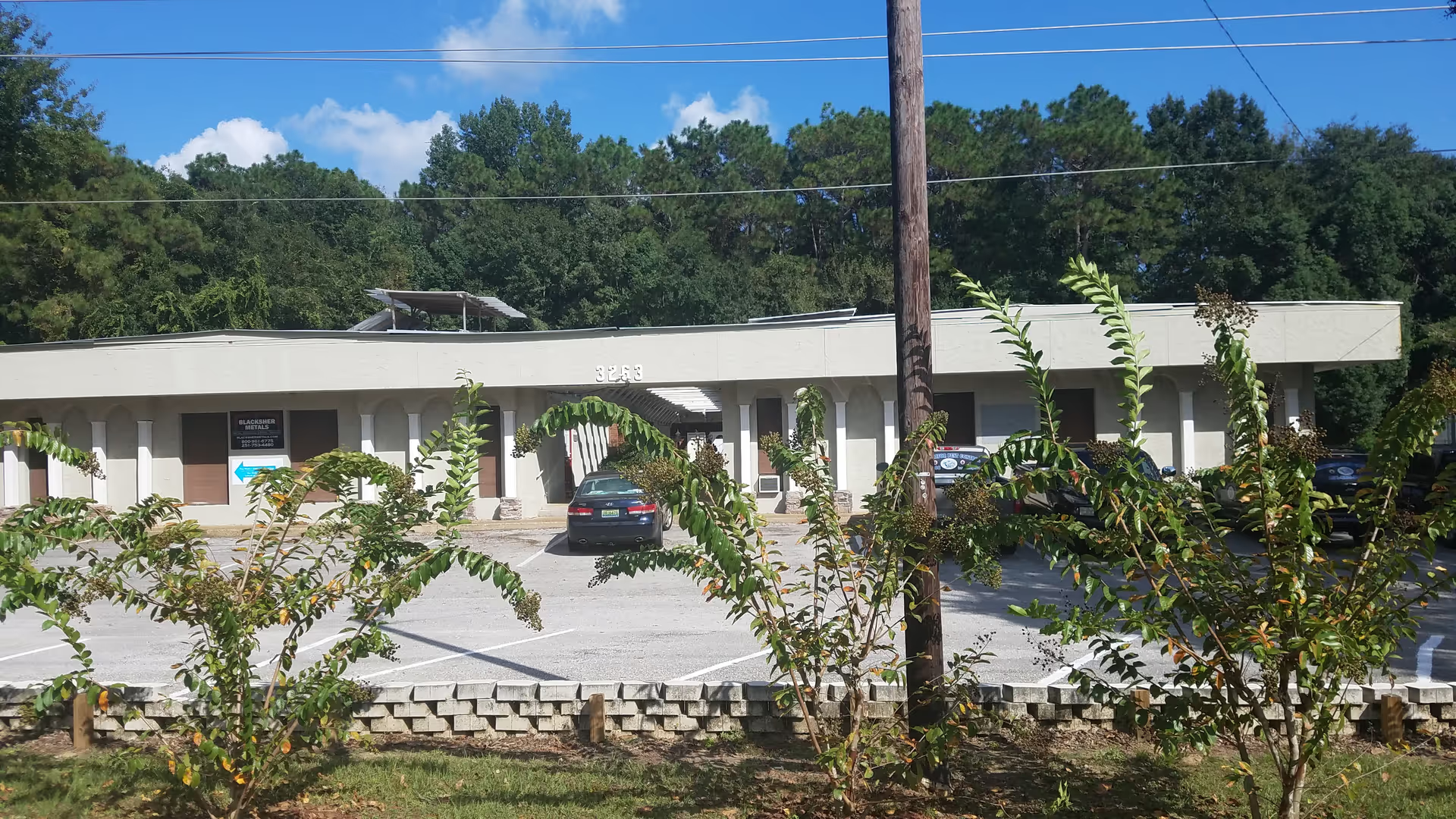
Reviews of Knollwood Healthcare Center present a mixed but informative picture. Many families and visitors praised the caregiving teams for compassion, personable bedside manner, and attentive nursing when present. Rehabilitation and therapy services received consistent positive remarks for effectiveness and outcomes; several accounts credited therapy staff with marked improvement. The facility's physical environment — including cleanliness, a pleasant scent, and good dining — was repeatedly noted as a positive contributor to residents' wellbeing. Office and reception staff are frequently described as helpful, which, together with a secure buzz-in entry system, contributes to a sense of safety and easier navigation of the site.
At the same time, reviewers identified recurring operational concerns that prospective clients should consider. Nursing quality appears variable across shifts: while some families described attentive nurses, others experienced shortcomings in clinical attentiveness and responsiveness. Closely related are reports indicative of staffing instability — reviewers mentioned staff shortages and unreliable shift coverage that can affect continuity of care and scheduling predictability. Several comments highlighted caregiver responsiveness gaps (for example, delayed responses to calls) and isolated incidents implying weaknesses in property-handling and belongings management.
Communication and management also emerge as mixed. The front desk and reception are usually helpful, but some reviewers found entry/check-in/exit procedures confusing or inconsistent depending on time and staff on duty. A cluster of comments points to leadership and communication shortcomings that may amplify operational variability — for example, uneven cleanliness standards and inconsistent follow-through on family concerns. These patterns suggest that quality can depend significantly on shift, unit, or individual staff assignment rather than being uniformly applied across the facility.
Overall value and outcomes were commonly described favorably: many families expressed gratitude for improved function, recovery-oriented care, and the supportive environment. However, the operational weaknesses above — inconsistent nursing quality, staffing shortfalls, property-management gaps, and variable administrative communication — are salient trade-offs to weigh. For prospective clients and families, recommended due diligence includes asking about nurse-to-resident ratios, consistency of caregiver assignments, inventory/property procedures, how entry and visitor procedures are handled across shifts, and what contingency plans exist for staffing shortages. These targeted questions can help clarify whether the facility's strong therapy services and compassionate caregivers will be reliably available for a particular resident's needs.